


Your Guide to
Adjusting to Vitamin A
Starting a new active ingredient can bring up a lot of questions, and if you've recently introduced our Night Cream into your routine, you might be noticing some changes in your skin. Peeling, dryness, a little redness. Don't worry, this is one of the most common questions we get, and in most cases, it's a completely normal part of the process.

Your Night Cream contains Tretinoin (Vitamin A), a powerhouse ingredient known for accelerating cell turnover. This ingredient speeds up the rate at which your skin sheds old, dormant cells and brings fresh, new ones to the surface.
That process is exactly what causes the dryness and peeling you might be experiencing. It's not a sign that something's wrong, it's a sign that the ingredient is doing its job.
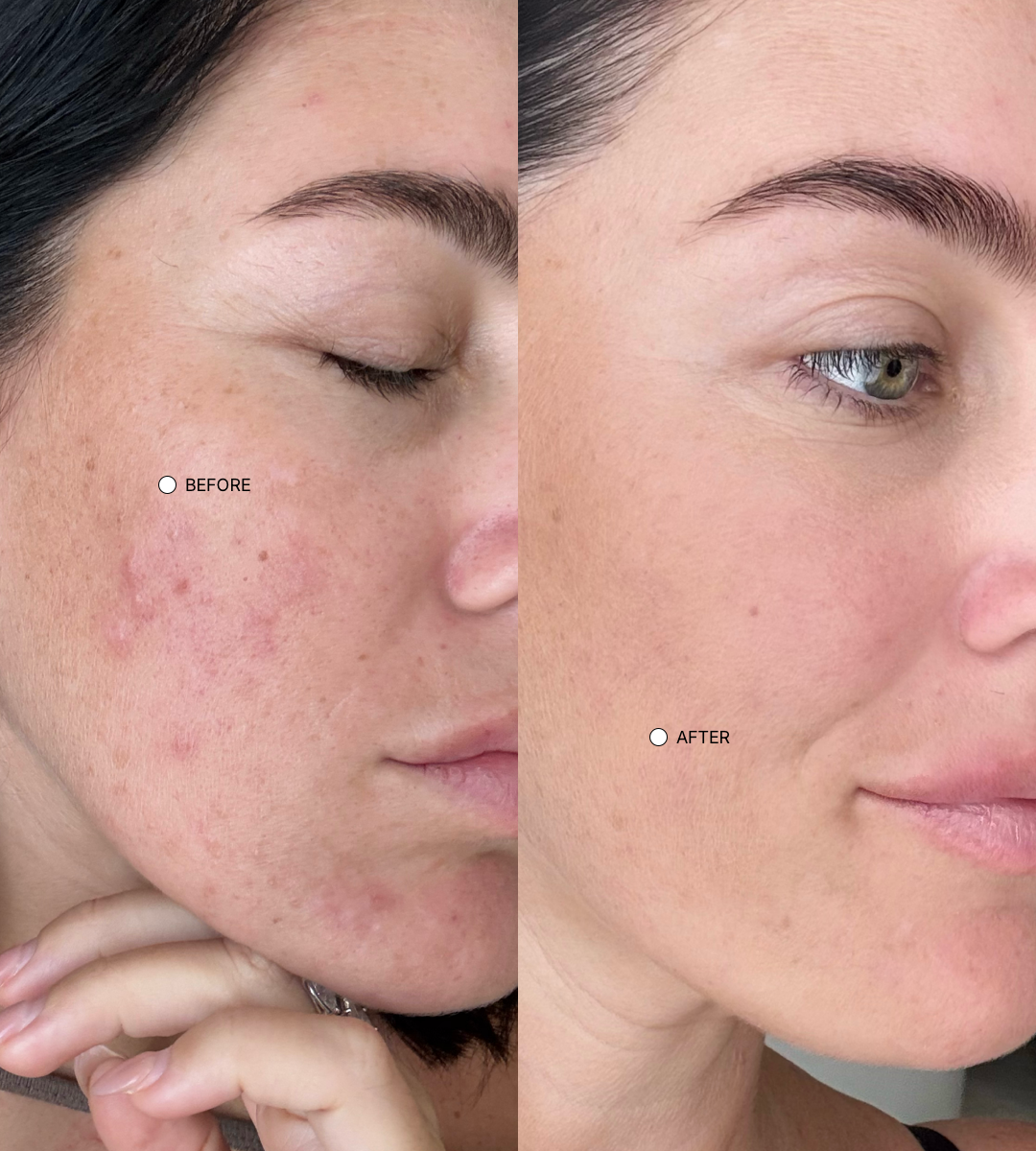
As Vitamin A works to increase cell turnover, it brings newer, "baby" skin cells up to the surface. These fresher cells can appear slightly pink or pinkish, which is why mild redness is a normal response for many people during this adjustment period.
The key word here is mild. Some light redness on its own is generally nothing to worry about. However, if redness is paired with stinging, burning, or noticeable sensitivity, it's important to listen to your skin and pull back usage.
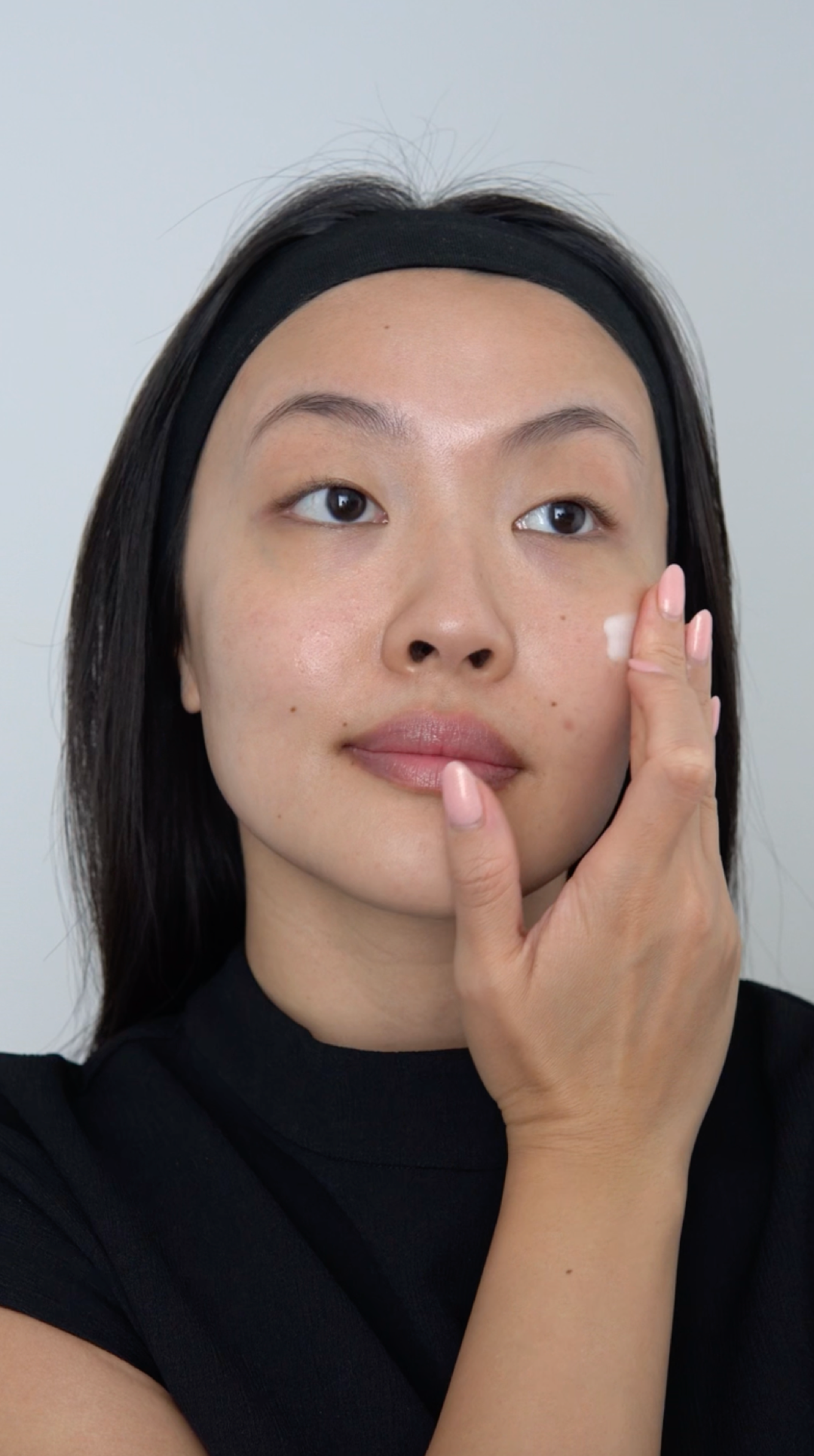
Not necessarily. Everyone's skin is unique, and how you respond to actives, including how long your skin peels or how intensely, will vary from person to person. For some, the adjustment phase is brief. For others, it takes a little longer. Both are normal.
As your skin builds tolerance, you'll likely find that peeling and dryness settle down significantly. Patience is key.
While these side effects are a normal part of introducing Vitamin A, that doesn't mean you should push through discomfort. It's important to listen to your skin and adjust your usage accordingly, whether that means using it less frequently, applying a thinner layer, or giving your skin extra support.
Our top tips for a smoother adjustment
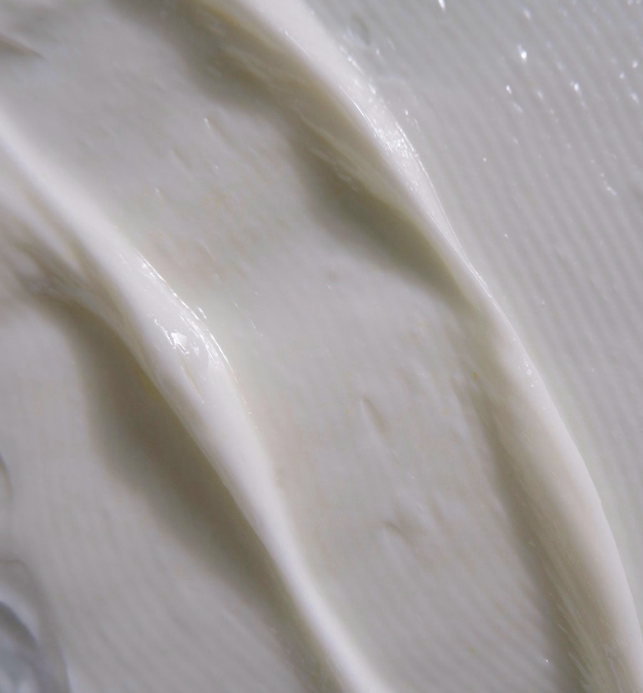
1. Layer a moisturiser on top
Applying a moisturiser over your Night Cream helps lock in hydration and can ease some of the dryness that comes with introducing Vitamin A.
2. New to actives?
Try the buffer method If your skin is struggling to adjust, apply a moisturiser underneath your Night Cream first. This creates a gentle buffer, slowing the delivery of the active ingredients for a more comfortable introduction to your routine.
3. Hydrate, hydrate, hydrate
You can't give your skin too much moisture. Hydration is essential for keeping your skin barrier strong while you use medical-grade actives. During the day, layer gentle, hydrating products, and on the nights you skip your Night Cream, use that time to nourish and support your skin.
Every skin journey looks a little different, and adjusting to actives takes time. If you're ever unsure whether what you're experiencing is a normal response or something that needs more attention, our team is always here to help.
Start Your Journey
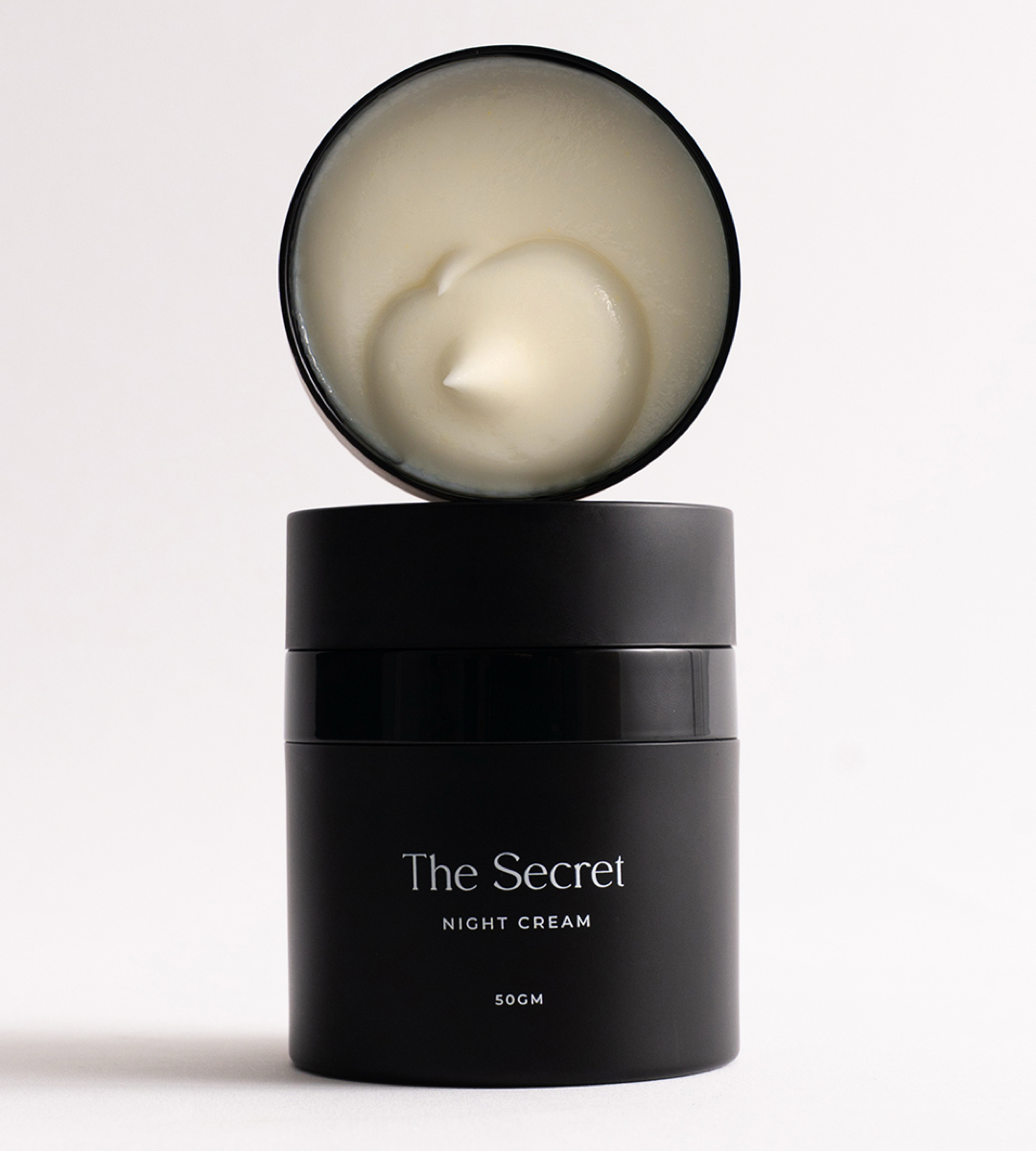
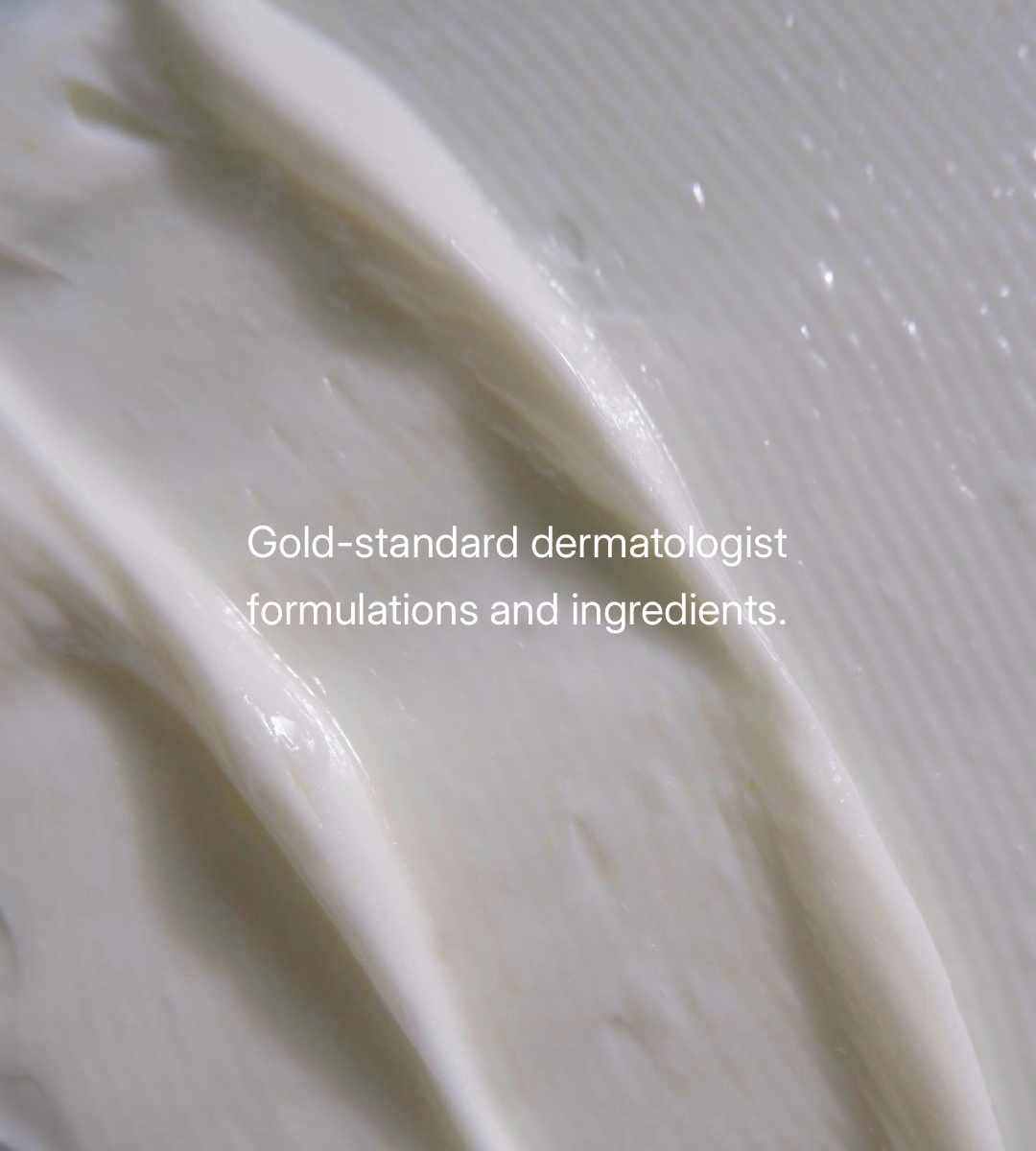
Doctor-Prescribed
Night CreamFormulated using a combination of prescription-strength and active ingredients to treat challenging skin conditions including acne, pigmentation, ageing and general skin health.
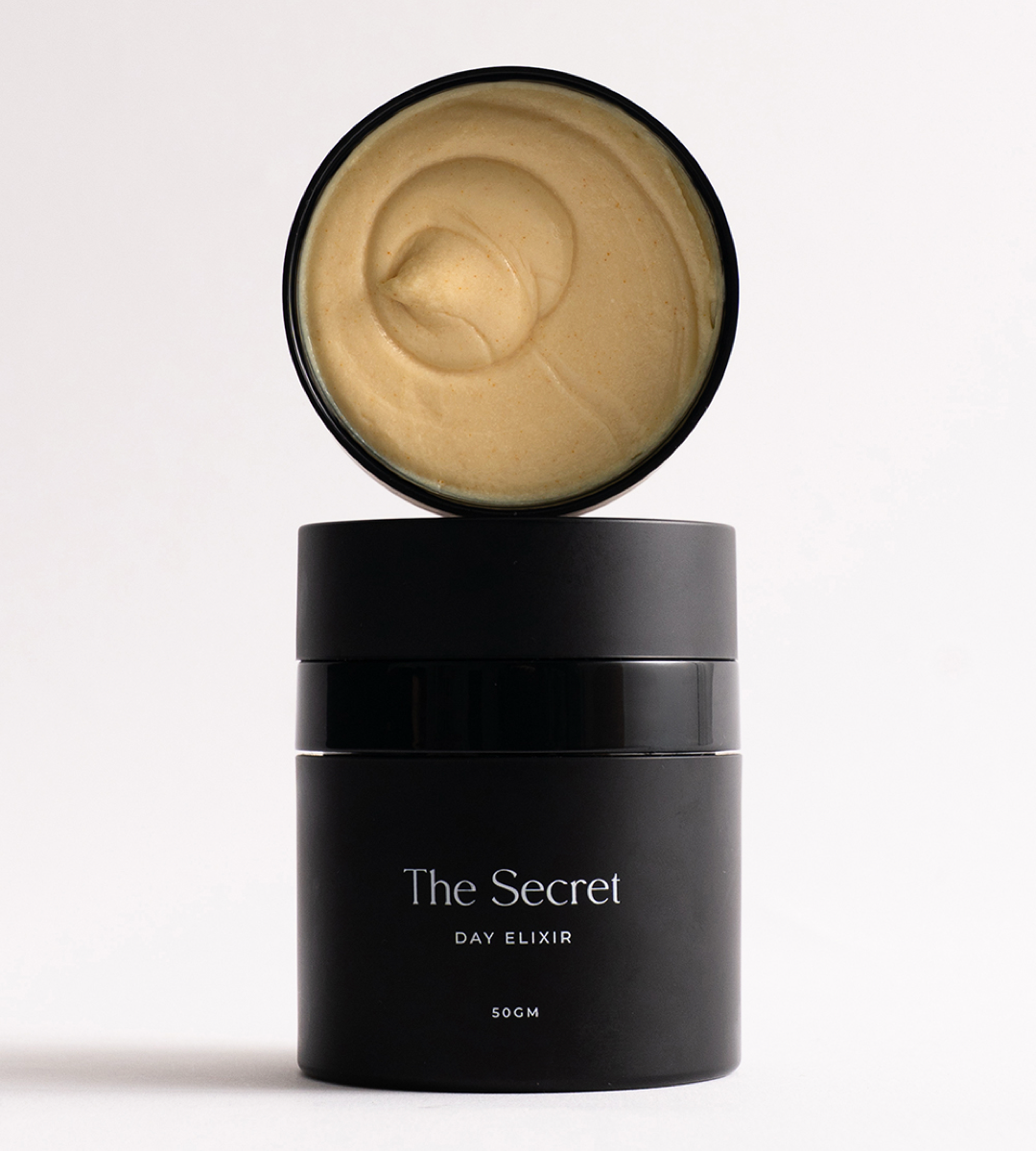
Doctor-Prescribed
Day CreamFormulated to enhance the outcomes of your active Night Cream, enhance results and add further glow to your complexion.
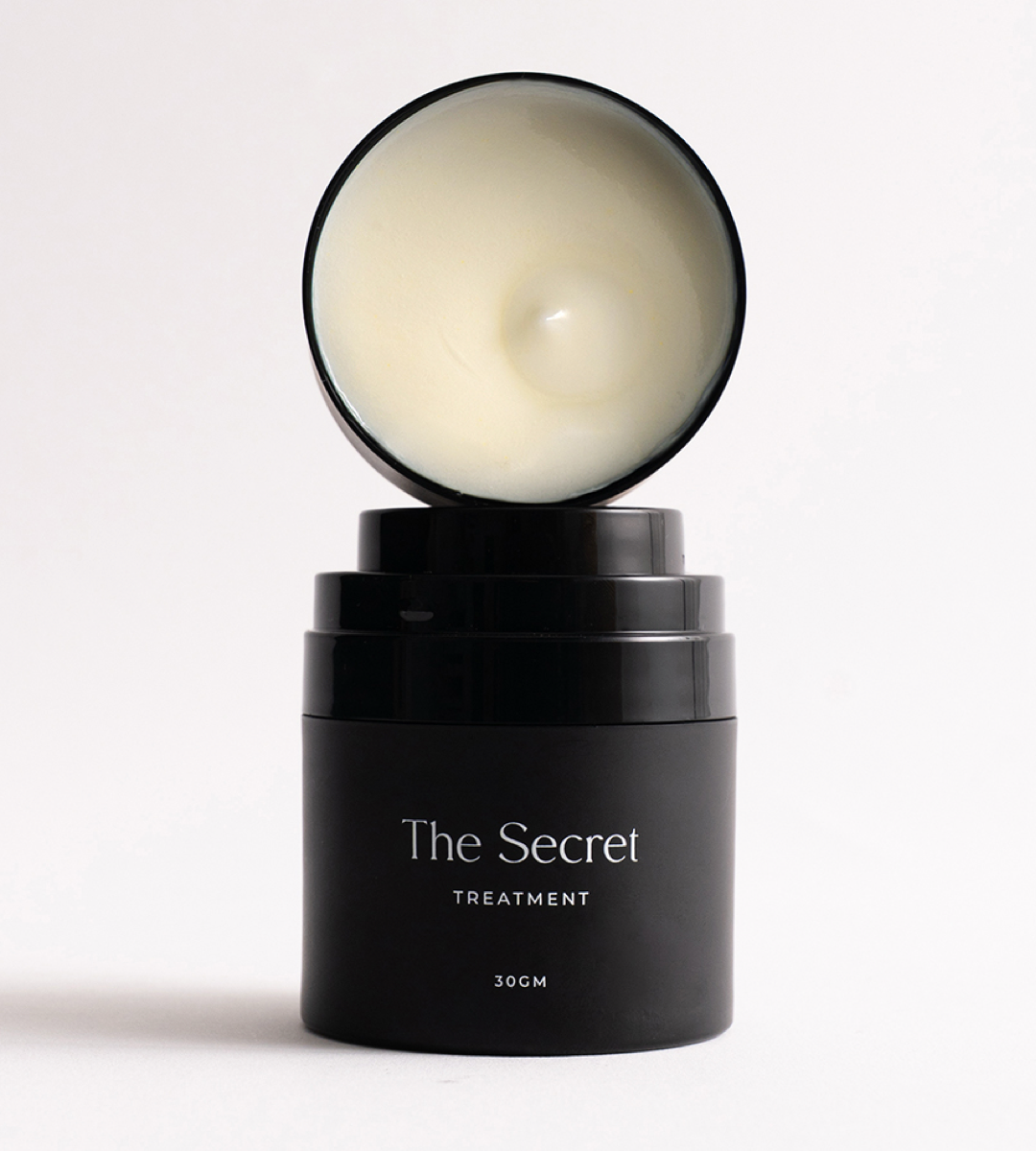
Doctor-Prescribed
Spot TreatmentOur spot treatments are designed to target specific areas of concern, such as acne, dermatitis, rosacea and inflammation.
Doctor-Prescribed
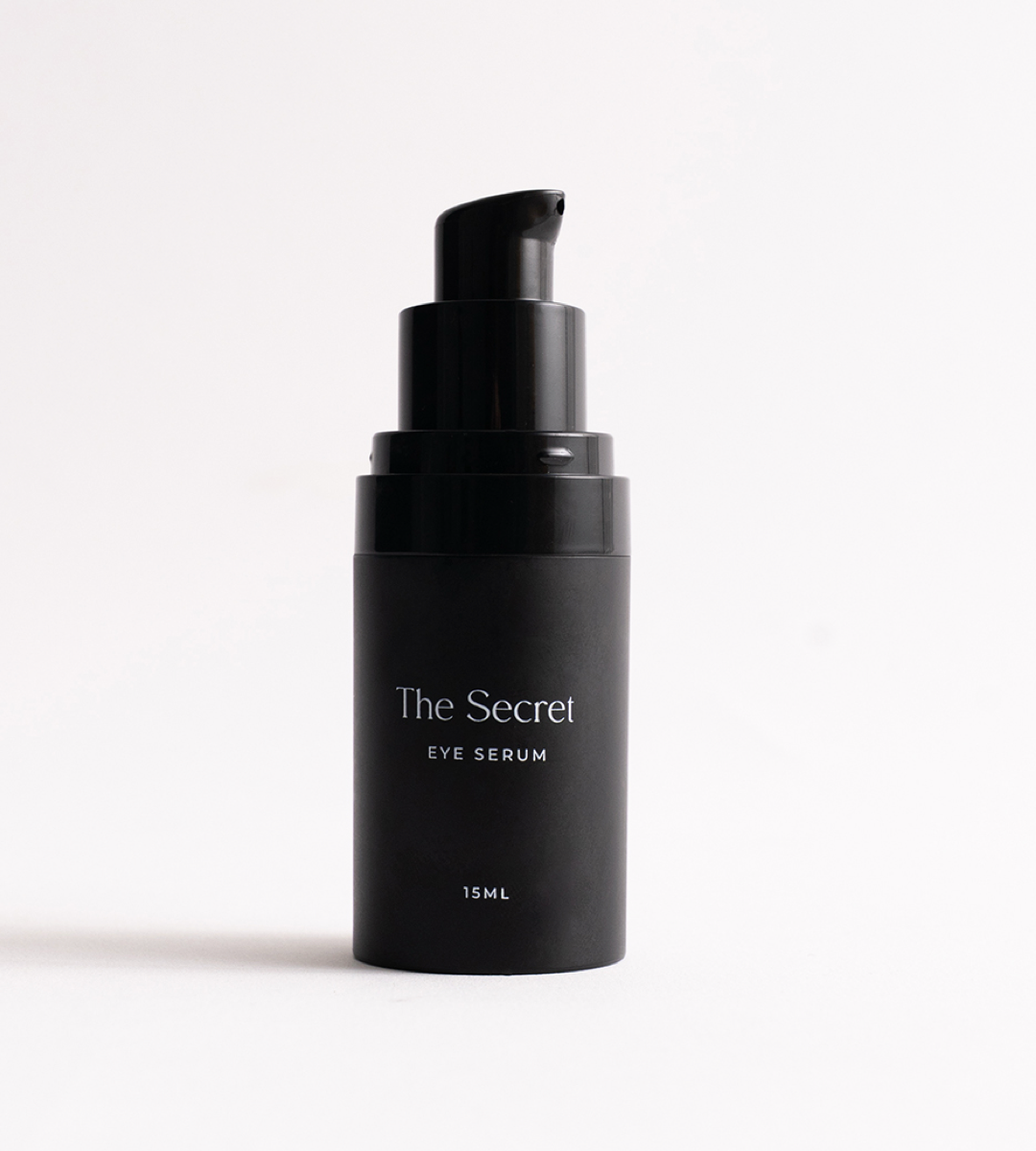
Eye TreatmentBrighten and hydrate during the day, rewind the clock as you sleep.