

Why your skin changes
at menopause, and
what actually helps
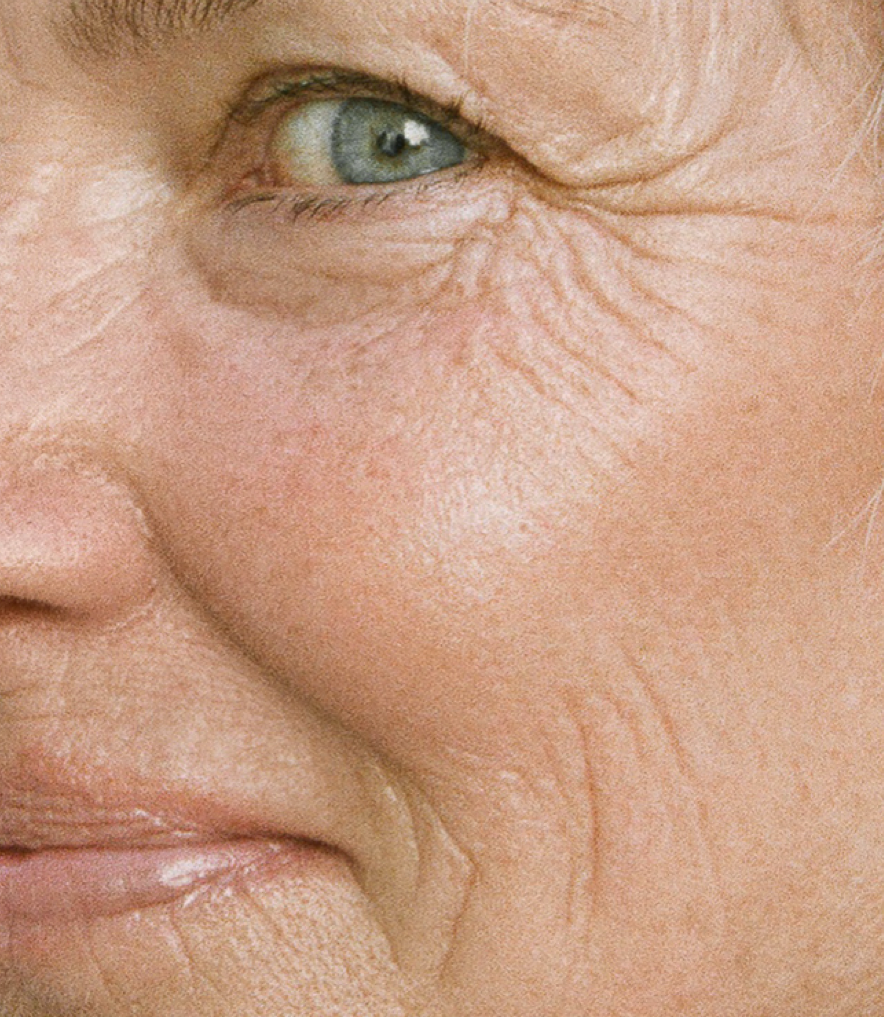
You did nothing differently. Same cleanser, same routine, same sleep. Then somewhere around your forties your skin stopped behaving. It felt drier by afternoon. Fine lines you used to smooth over with a good moisturiser stopped smoothing. Your face looked flatter in photos, less bright, a little crepey along the cheeks and under the eyes.
This is not you failing at skincare. It is a hormonal change and it has a name.
Oestrogen runs more of your skin than most people realise
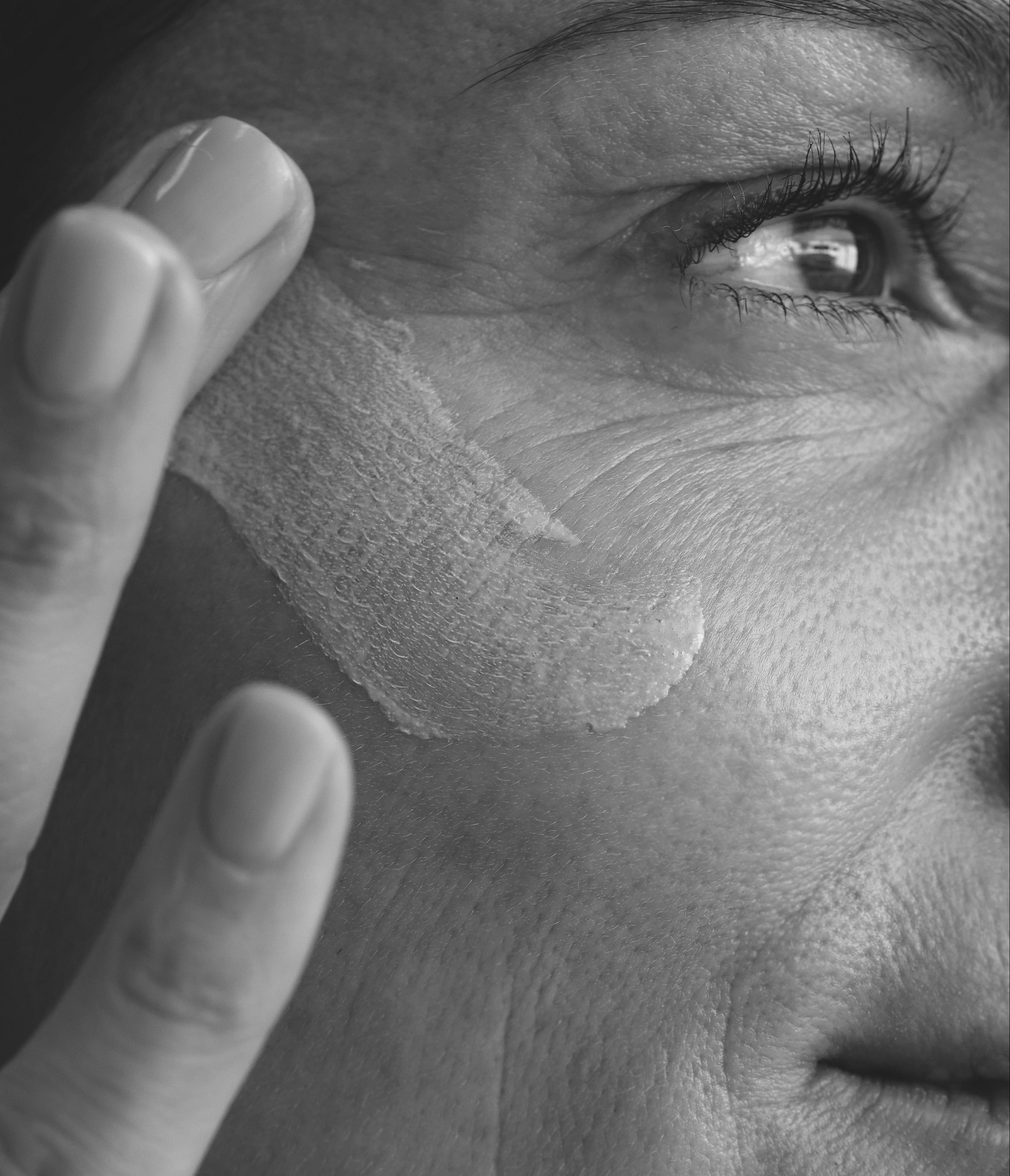
Your skin is one of the largest oestrogen-responsive organs in your body. Oestrogen receptors sit right through the dermis, and while that hormone is circulating at healthy levels it keeps several things ticking over at once.
It drives collagen production, the scaffolding that holds your face firm. It supports elastin, the fibres that let skin bounce back when you smile or squint. It helps your skin hold water by maintaining hyaluronic acid, which is why younger skin looks plump rather than papery. It keeps the oil glands working so the barrier stays supple, and it speeds up how quickly your skin repairs itself after a knock or a spot.
While oestrogen is doing its job, you never think about any of this. You just have skin that recovers, holds moisture, and looks lit from within.
Then it drops and your skin loses its supply
During perimenopause, your ovaries wind down oestrogen production, and your skin feels the withdrawal fast. Research on post-menopausal skin has found that women lose around 30% of their dermal collagen in the first 5 years after their final period, then roughly 2% more each year after that.
That number explains almost everything you are seeing in the mirror:
Thinning and creping.
Less collagen and elastin means less structure, so skin folds and creases where it used to sit smooth.
Persistent dryness.
With less oil and less water-holding capacity, moisturiser wears off by lunchtime instead of lasting the day.
Slower repair.
Blemishes, redness and small wounds hang around longer than they did in your thirties.
A duller, flatter look.
Firm, hydrated skin reflects light. Makeup doesn’t sit as well.
Sunscreen and a good routine still matter enormously. They are not the whole answer here, because they work on the surface and this change starts underneath it.
THAT pregnancy glow
When you see a pregnant woman and they have that glow? That is Oestrogen peak production — specifically the bioavailable Estriol, also known as E3. The receptors in your skin that scaffold your skin, help oil production and plump healthy skin is hormone induced.
Why a jar off the shelf can only do so much
Most of what sits on it is built to sit on top of your skin and hold water there for a few hours. Useful, pleasant, worth doing. It does not speak to the underlying reason your menopausal skin lost its firmness and hydration in the first place.
The change is coming from a shift in your own biology. So the more useful question is not which cream feels nicest, but which approach is built for the specific skin you have now.
The doctor-formulated, compounded approach
This is the gap The Secret Skincare was built to close. It is not a mass-produced jar poured into thousands of identical tubes.
It is made for you, on the advice of a doctor, to support skin that has been through this hormonal shift.
A doctor is involved before anything is dispensed so you are not guessing whether a product suits your skin, your health history or the other treatments you use. You get a formulation matched to you. That is the whole model, and it is deliberate. Menopausal skin is individual. Your care should be too.
Start Your Journey
Doctor-Prescribed
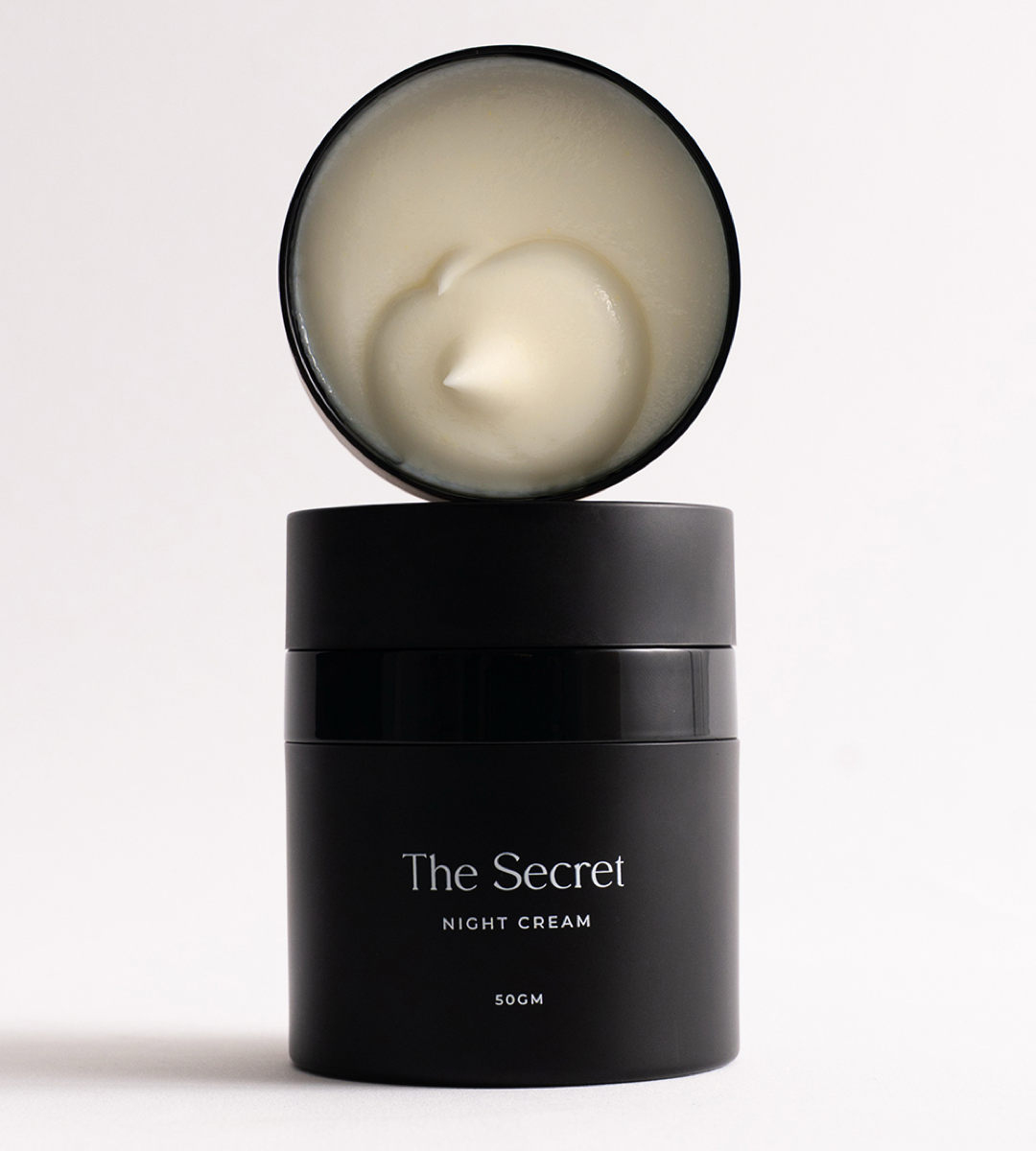
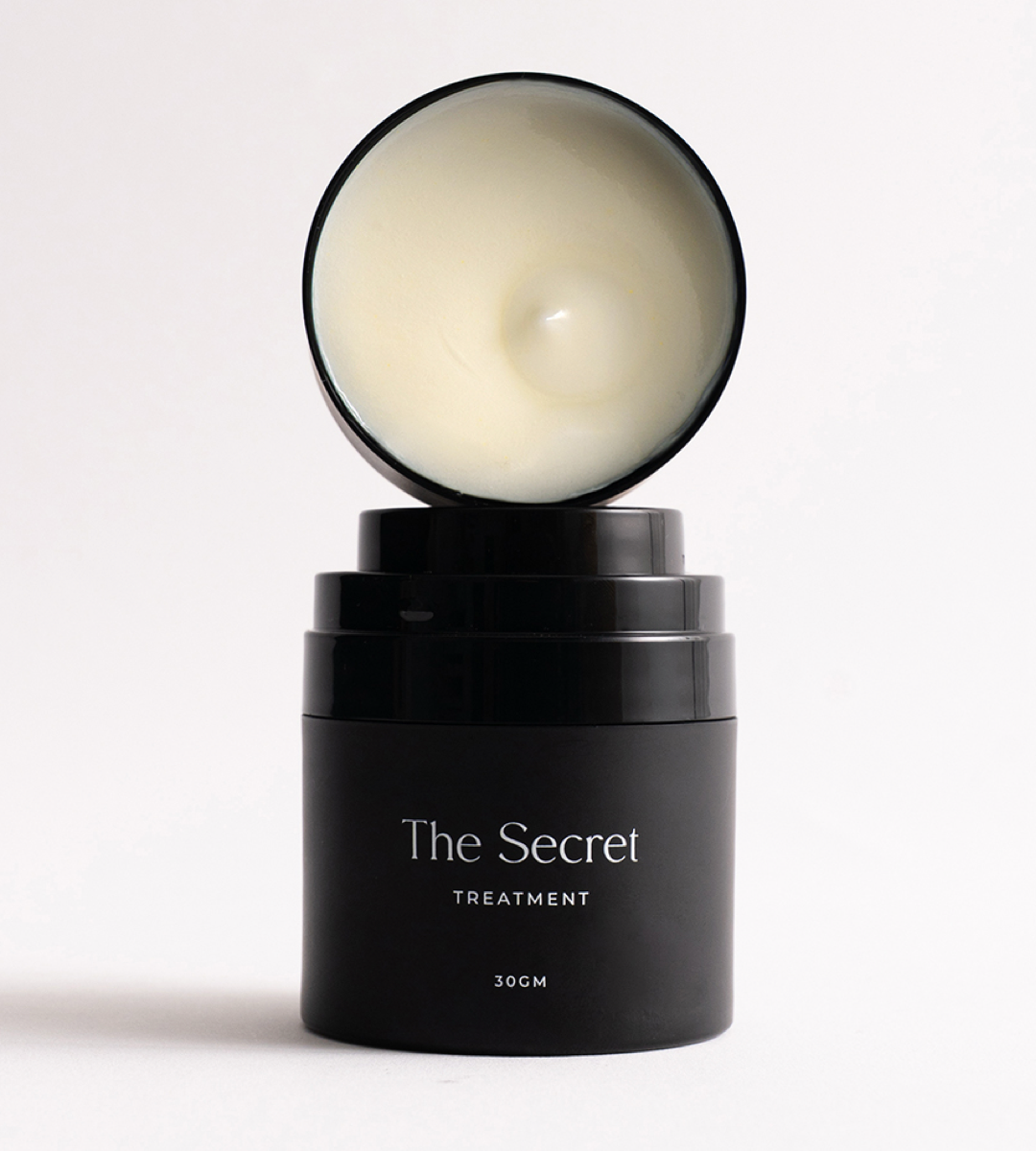
Night CreamFormulated using a combination of prescription-strength and active ingredients to treat challenging skin conditions including acne, pigmentation, ageing and general skin health.
Doctor-Prescribed
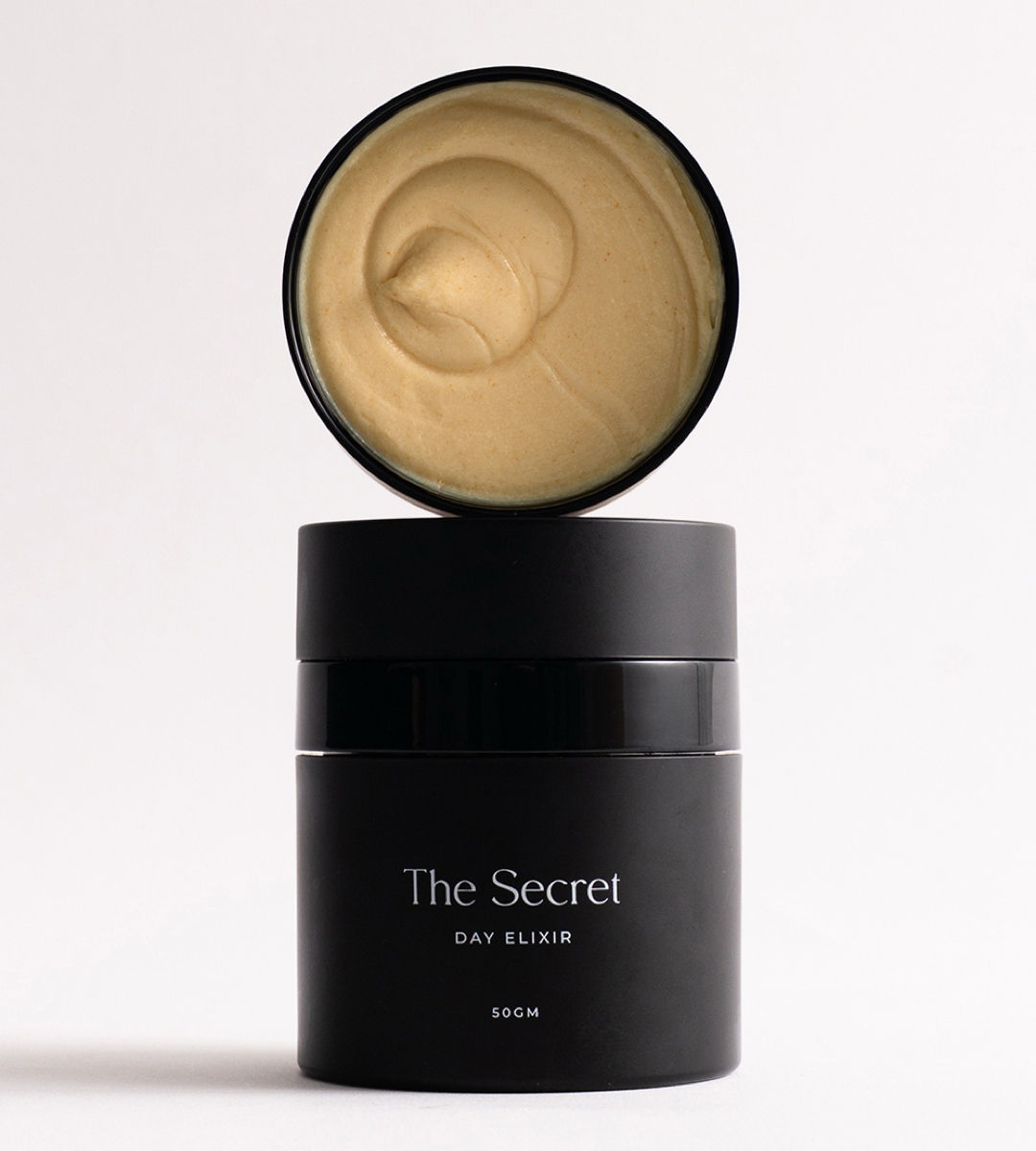
Day CreamFormulated to enhance the outcomes of your active Night Cream, enhance results and add further glow to your complexion.
Doctor-Prescribed
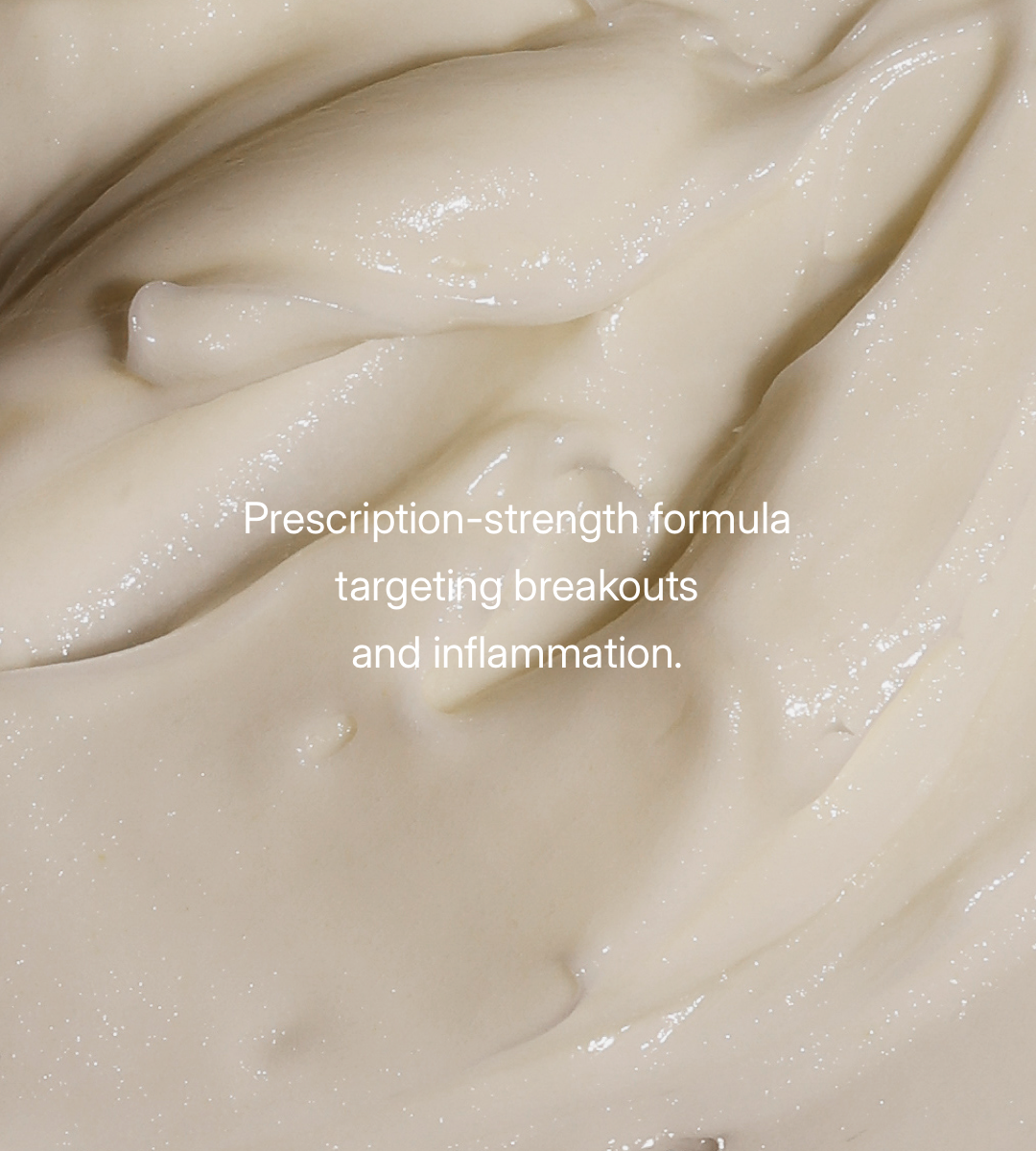
Spot TreatmentOur spot treatments are designed to target specific areas of concern, such as acne, dermatitis, rosacea and inflammation.
Medical-grade
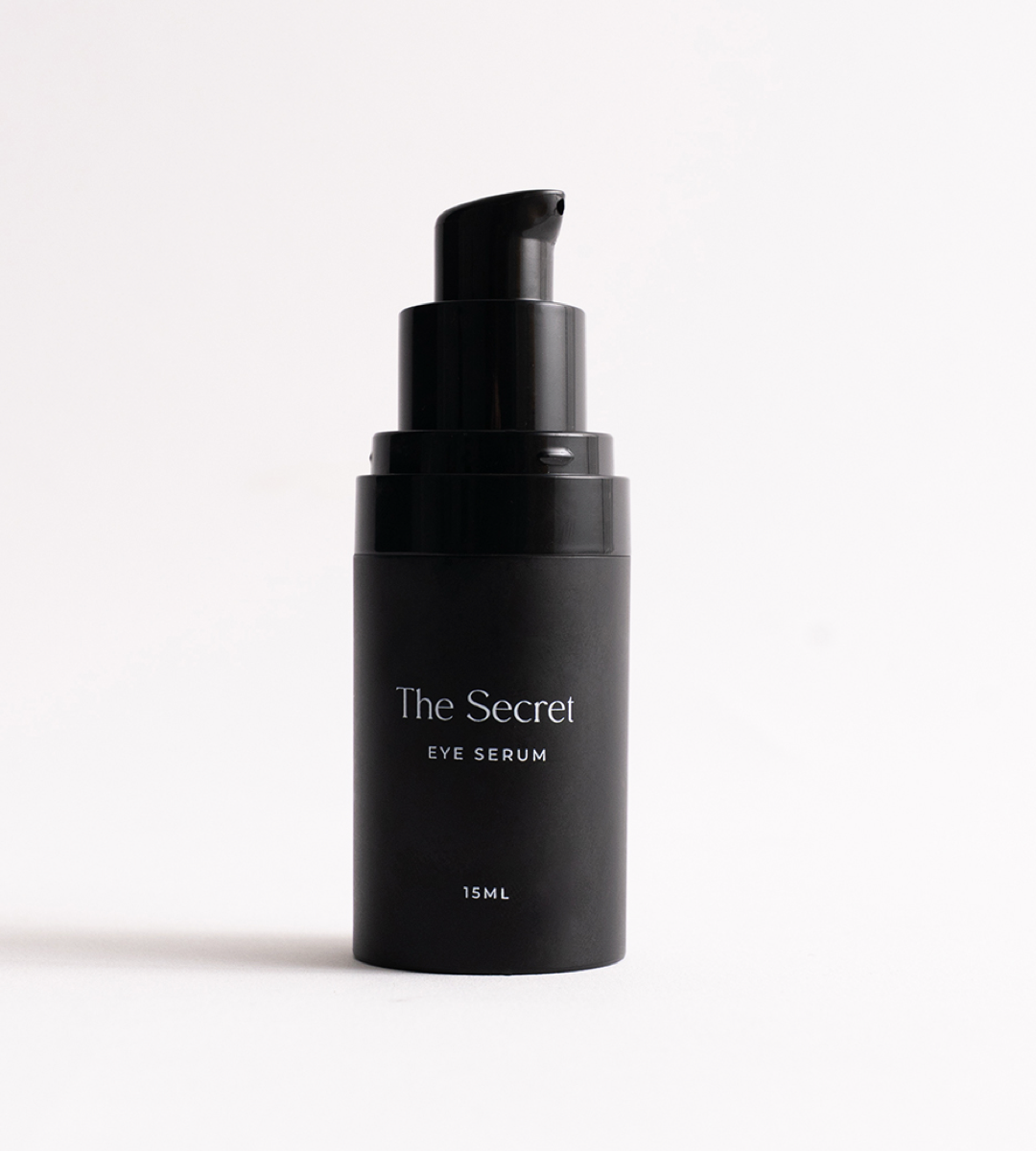
Eye TreatmentBrighten and hydrate during the day, rewind the clock as you sleep.