
What the clinical trials show: skin thickness, wrinkle depth and collagen
When we talk about oestrogen for skin, we are not talking about a new or untested idea. Researchers have been applying it to women's faces and measuring what happens, with skin biopsies, profilometry and hormone bloods, since the 1980s and 1990s.
Below is what the studies actually found, grouped by the three outcomes women ask us about most: skin thickness, wrinkle depth and collagen.
Skin thickness is one of the clearest structural measures because it can be quantified directly.
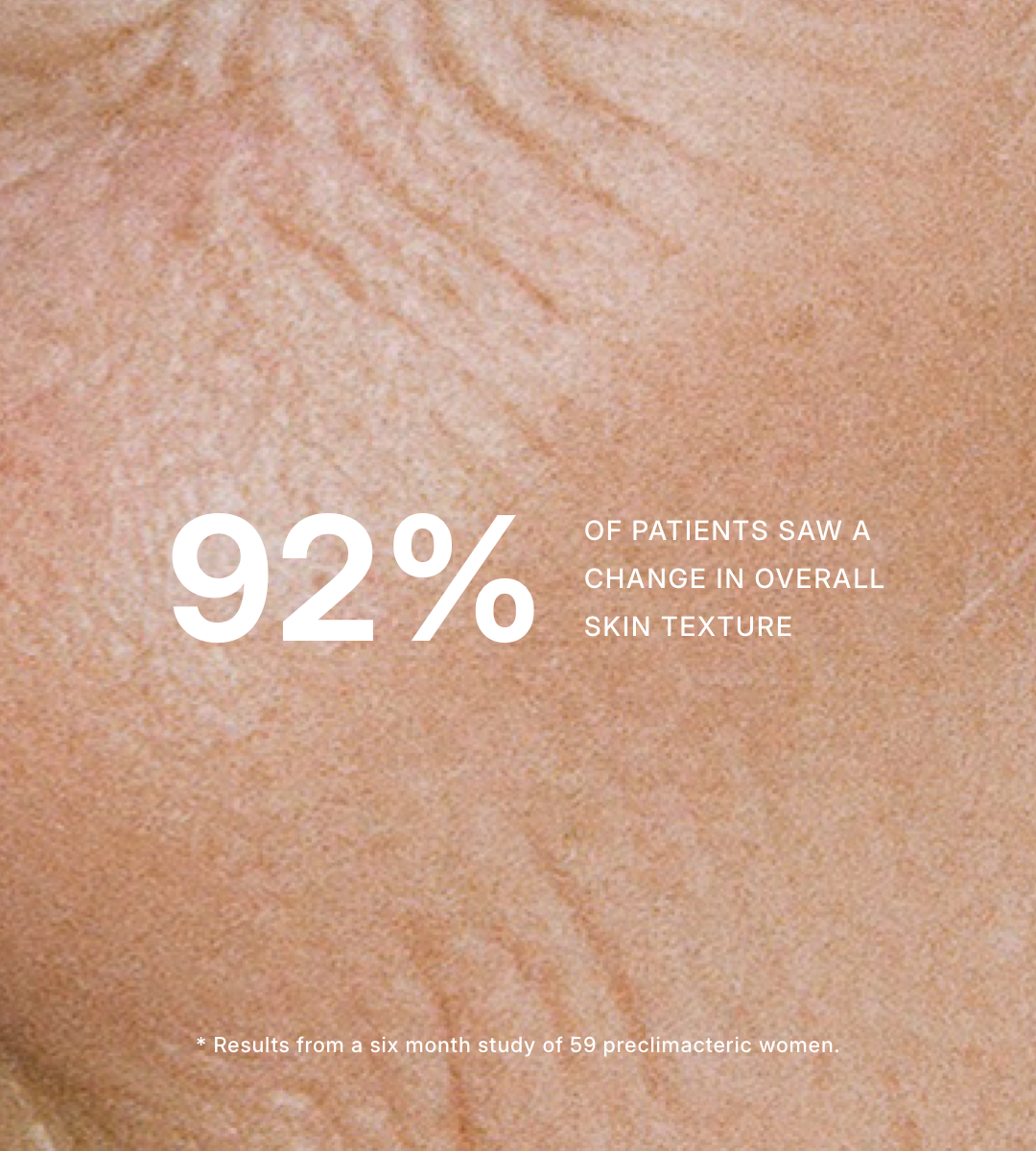
In the six month facial study of 59 preclimacteric women using 0.3% estriol, the number of collagen fibres in the skin increased and type III collagen labelling rose significantly after treatment (PMID 8876303). The density of the fibre network is the structural scaffolding that sits underneath firmer, fuller, more healthy skin.
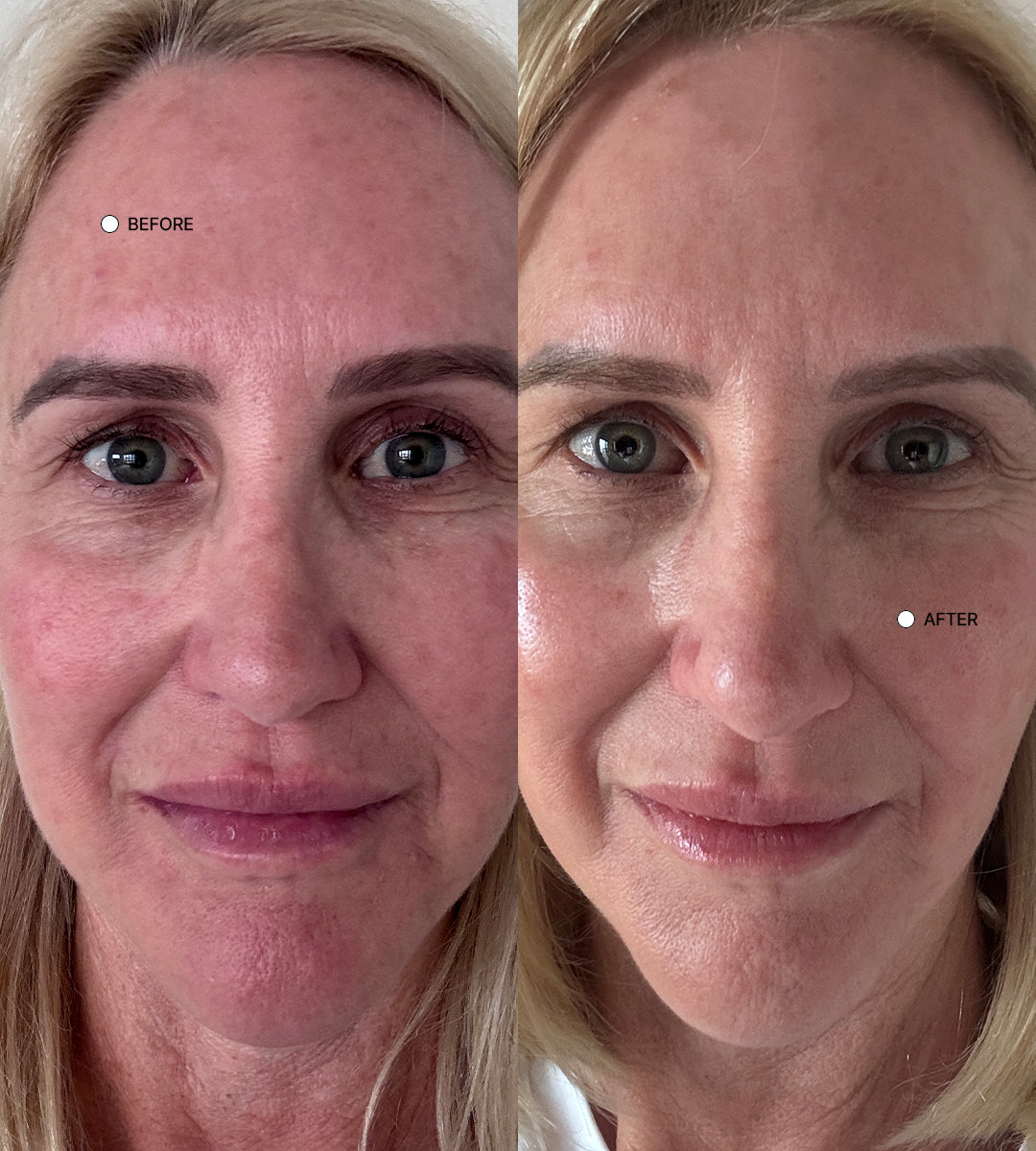
Wrinkle depth and pore size are surface measures of what is happening structurally underneath, and this is where evidence is strongest. In the same six month study of 59 preclimacteric women, wrinkle depth was measured objectively by profilometry rather than judged by eye. After six months, skin elasticity and firmness had markedly improved and wrinkle depth and pore size had decreased by 61 to 100%, with the group's results in both extent and onset, and no systemic hormonal side effects (PMID 8876303).
An earlier pilot in 18 perimenopausal women, using the same active ingredient approach on the face, reported the same direction of change, a significant improvement in the signs of skin ageing with no hormonal side effects (PMID 7877517).
Collagen is the outcome that ties the others together, because both thickness and wrinkle depth follow from how much collagen the skin is making. In the relevant studies this was measured directly in skin biopsies rather than inferred.
In the six month facial trial, biopsies taken from the treated skin showed that type III collagen labelling increased significantly and the number of collagen fibres rose after treatment with our topical active ingredient (PMID 8876303).
Type III collagen is the springy, more youthful collagen that declines first as oestrogen falls, so seeing it rebuild is the point. The improvement in the elastic fibre network in postmenopausal skin after facial application adds to this structural picture (PMID 3477986). We do not put a single percentage on the estriol collagen result, because the studies reported it as a measured increase in labelling and fibre number.
Why this stays on your face, not in your body
The reason we can build all of this into a facial cream is that when applied to your face, neck, decolletage and hands, it has been shown not to reach the bloodstream in any meaningful way.
In a study of 17 women ranging from 46 to 66, facial oestrogen ointment was applied daily for three months with monthly hormone bloods.
Serum follicle stimulating hormone, prolactin and estradiol levels, and vaginal smears, showed no significant change during treatment (PMID 8215610).
Visible change on the face, nothing measurable in the body.
A note on our own patients
Alongside the published literature, we also ran a small trial of our current patients outcomes using EstroRepair alongside our Cellular Repair Night Cream. In our own patient results, a majority reported visible improvement in skin texture and firmness within six weeks, along with better luminosity, hydration and plumpness. These are our internal observations rather than peer reviewed trial data, so we keep them separate from the referenced studies above, but they are consistent with what the clinical evidence predicts.
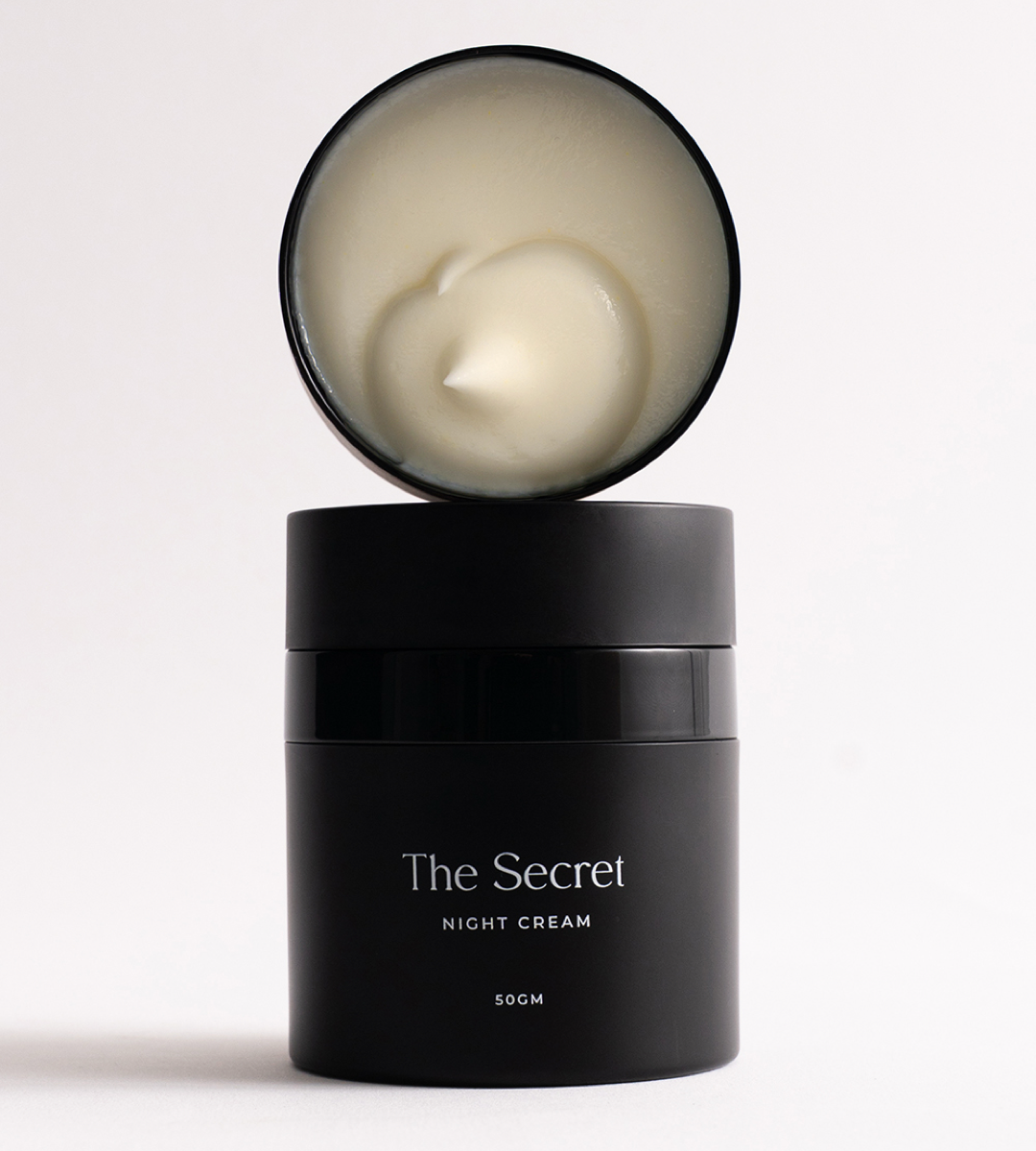

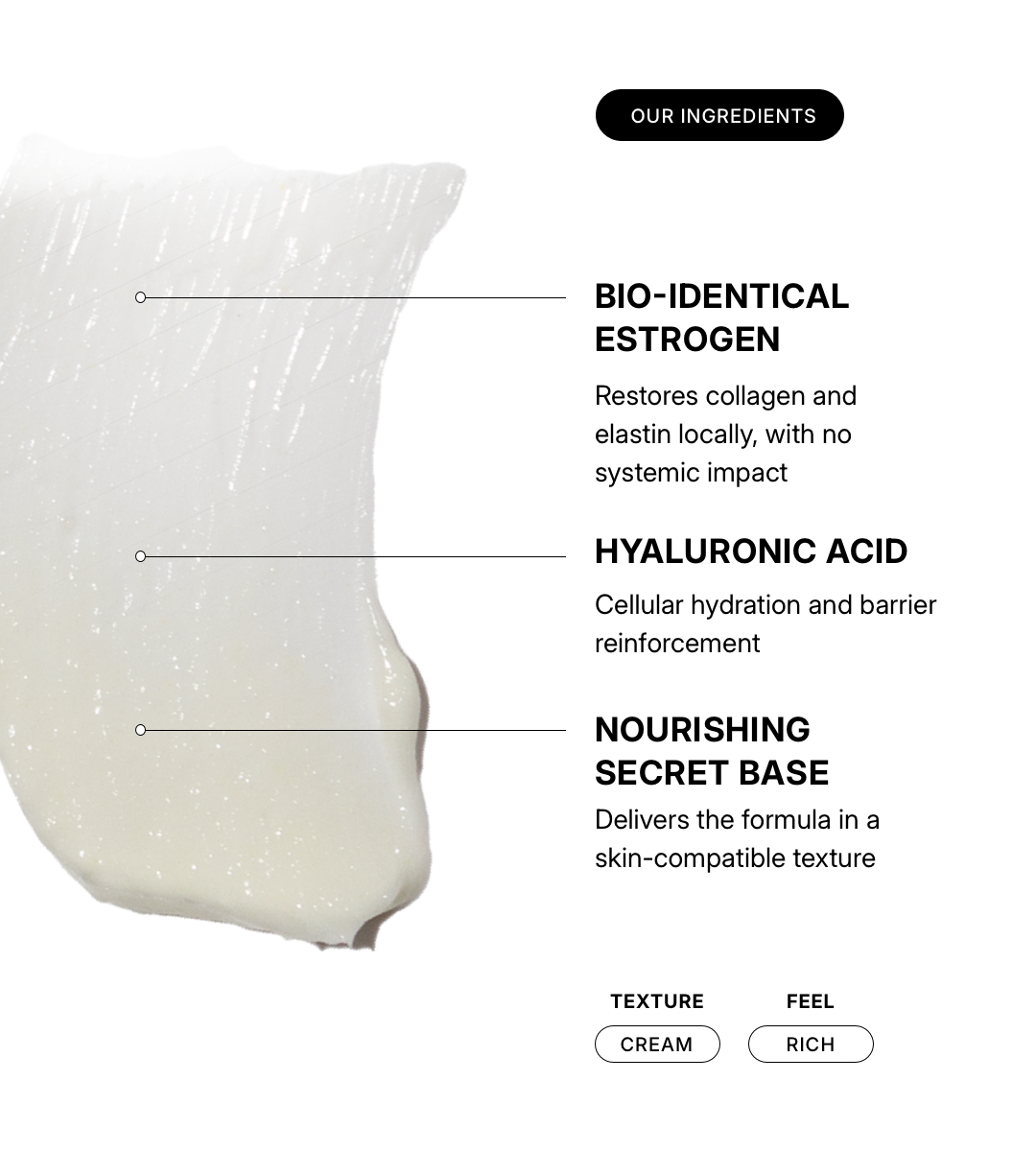
Years in the making, EstroRepair is the first formulation in Australia designed for women over 40 or women experiencing oestrogen-deficient skin.
Perimenopause and menopause effects the skin in different ways and is mostly overlooked.
This formulation is recommended for women over 40 who are beginning to notice signs of oestrogen-deficient skin, including thinning, dryness, loss of firmness and impaired barrier function.
Please note: This product requires a consult with our medical team to determine if it is suitable for your individual concerns.
- Schmidt JB, Binder M, Demschik G, Bieglmayer C, Reiner A. Treatment of skin aging with topical oestrogens. Int J Dermatol. 1996;35(9):669-674. (PMID 8876303)
- Schmidt JB, et al. Treatment of skin ageing symptoms in perimenopausal females with oestrogen compounds. A pilot study. Maturitas. 1994;20(1):25-30. (PMID 7877517)
- Punnonen R, Vaajalahti P, Teisala K. Local oestriol treatment improves the structure of elastic fibres in the skin of postmenopausal women. Ann Chir Gynaecol Suppl. 1987;202:39-41. (PMID 3477986)
- Kainz C, Gitsch G, Stani J, Breitenecker G, Binder M, Schmidt JB. When applied to facial skin, does oestrogen ointment have systemic effects? Arch Gynecol Obstet. 1993;253(2):71-74. (PMID 8215610)
Start Your Journey
Doctor-Prescribed
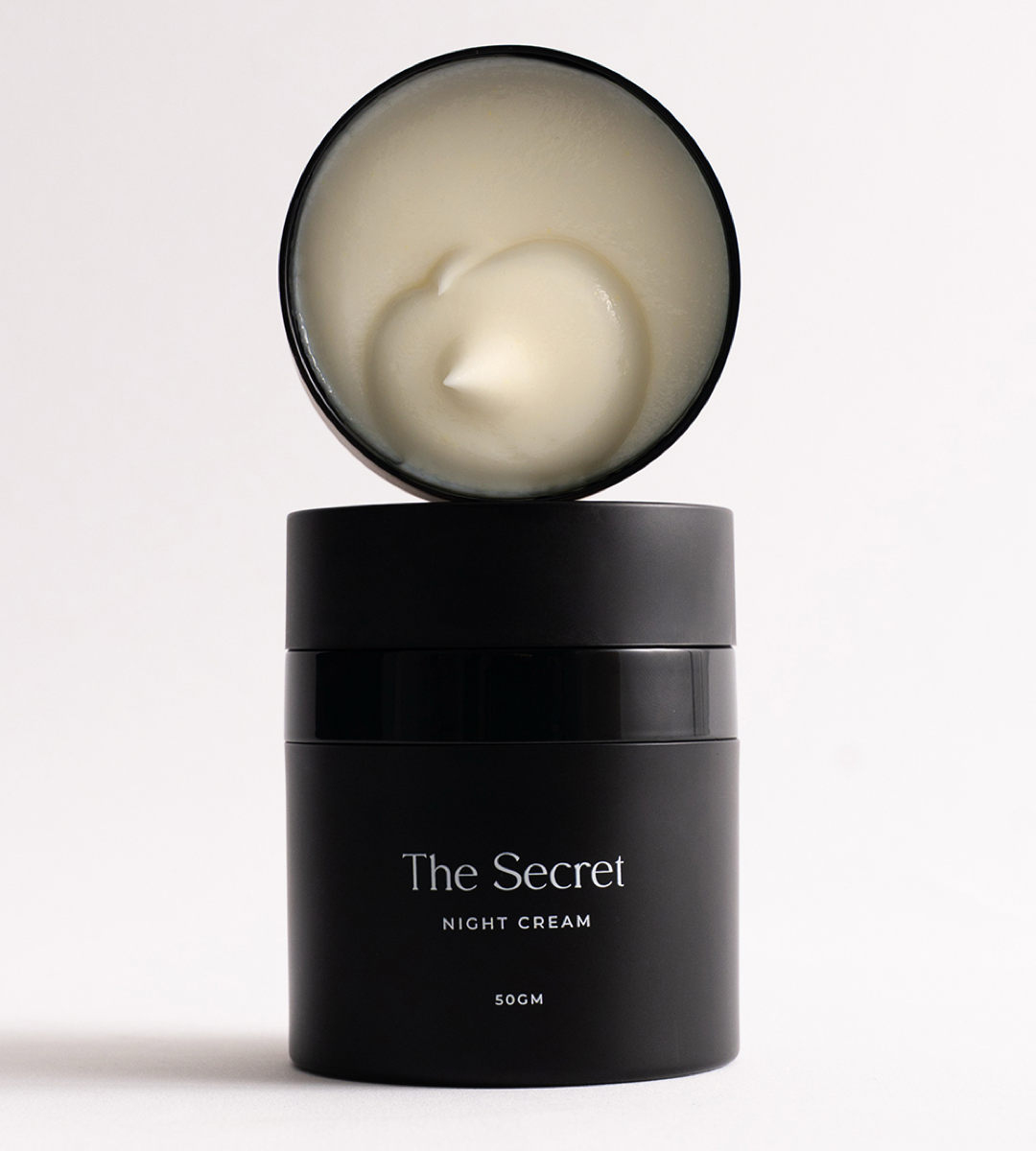
Night CreamFormulated using a combination of prescription-strength and active ingredients to treat challenging skin conditions including acne, pigmentation, ageing and general skin health.
Doctor-Prescribed
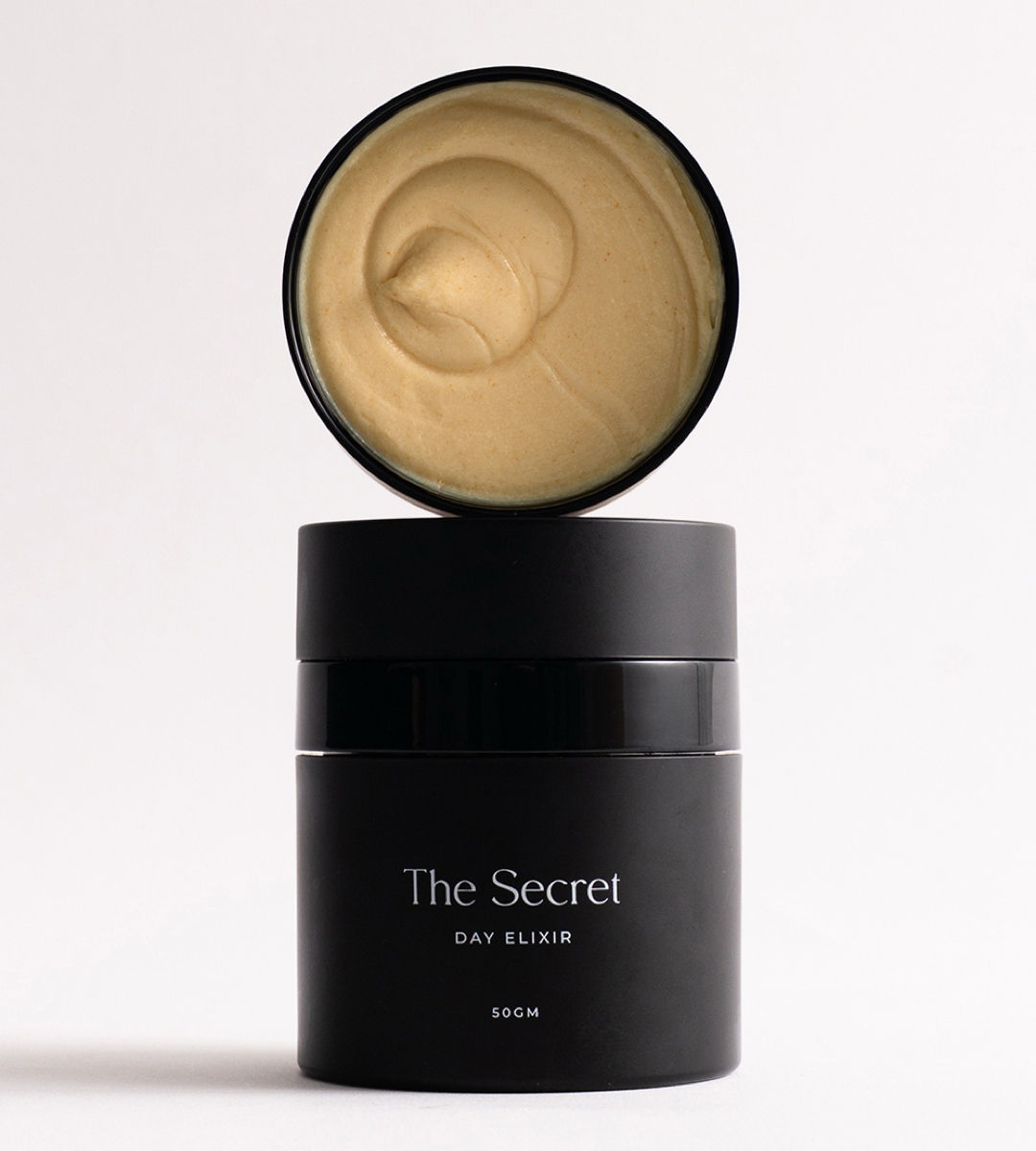
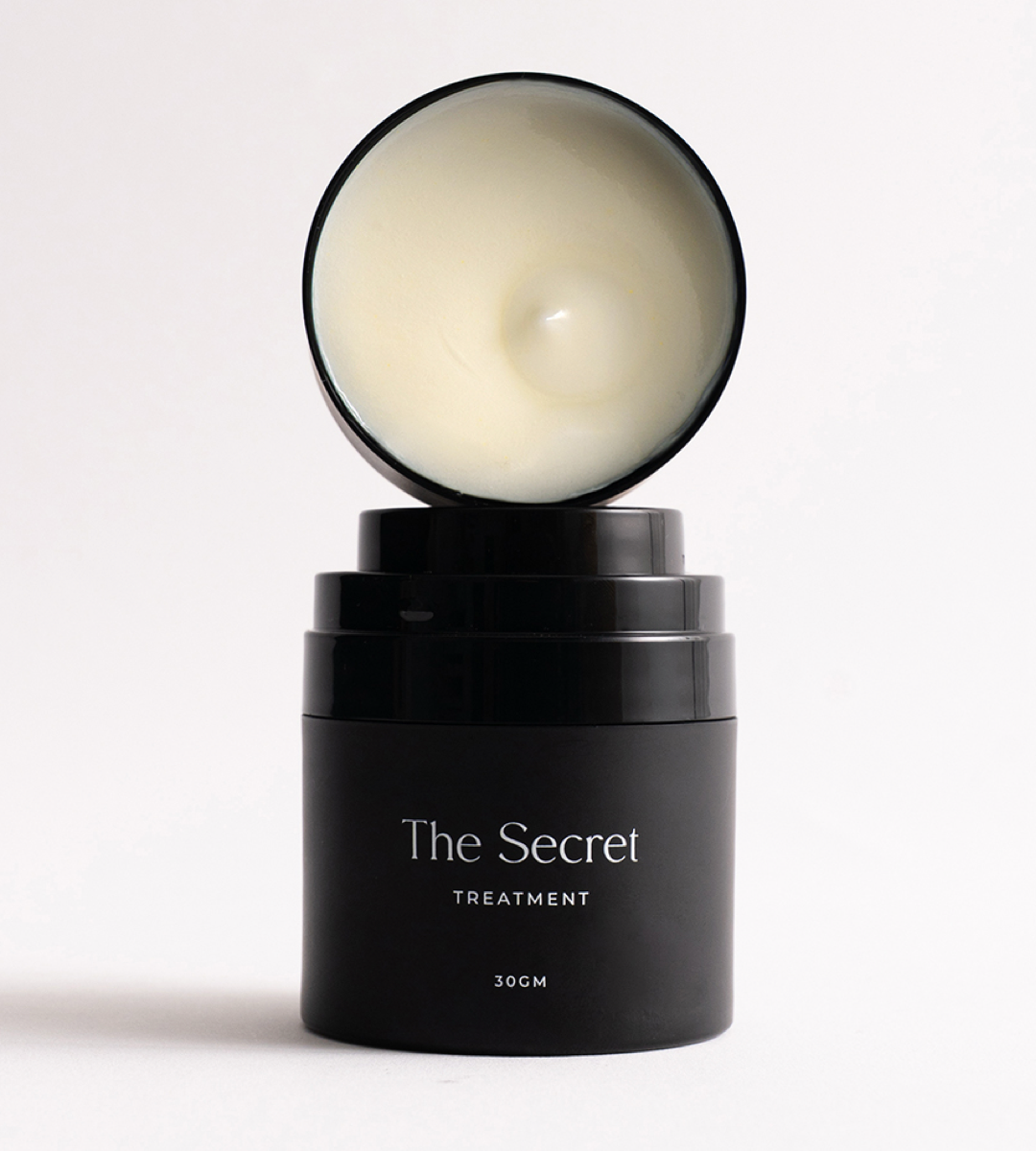
Day CreamFormulated to enhance the outcomes of your active Night Cream, enhance results and add further glow to your complexion.
Doctor-Prescribed
Spot TreatmentOur spot treatments are designed to target specific areas of concern, such as acne, dermatitis, rosacea and inflammation.
Doctor-Prescribed
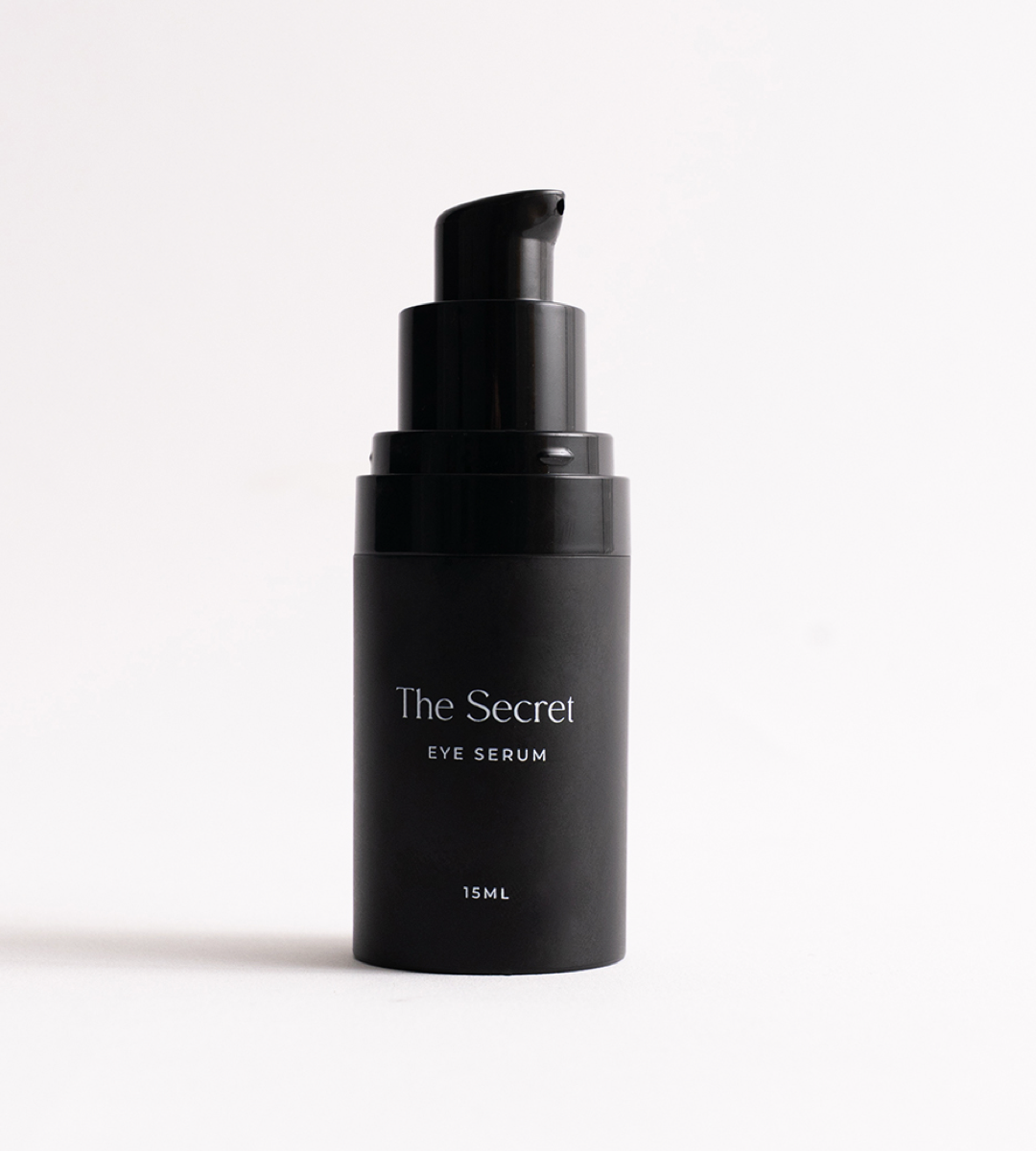
Eye TreatmentBrighten and hydrate during the day, rewind the clock as you sleep.