
The proven changes: what oestrogen actually does to the structure of your skin
Plenty of skincare claims live at the surface: brighter, plumper, more radiant. They describe how skin looks without saying what has changed underneath. Our active ingredient in our EstroRepair Cream is one of the few skincare actives where researchers have gone under the surface and measured the structure directly, using skin biopsies and microscopy. This post sets out what the studies actually showed.
Below is what the studies actually found, grouped by the three outcomes women ask us about most: skin thickness, wrinkle depth and collagen.
What oestrogen loss does to skin structure
Oestrogen receptors sit throughout the epidermis and dermis, on the keratinocytes and fibroblasts that build and renew your skin, and oestrogen keeps them signalling. When oestrogen falls, that signal fades.
Collagen and elastin production slow, the skin holds less water, cell turnover slows and the barrier weakens, so the skin becomes thinner, drier and less firm.
Roughly 30% of skin collagen is lost in the first five years after menopause.
The structural problem is well defined, which is what makes it treatable and EstroRepair can be used to reactivate that signalling locally in the skin.
Proven Changes
More collagen, measured in the skin
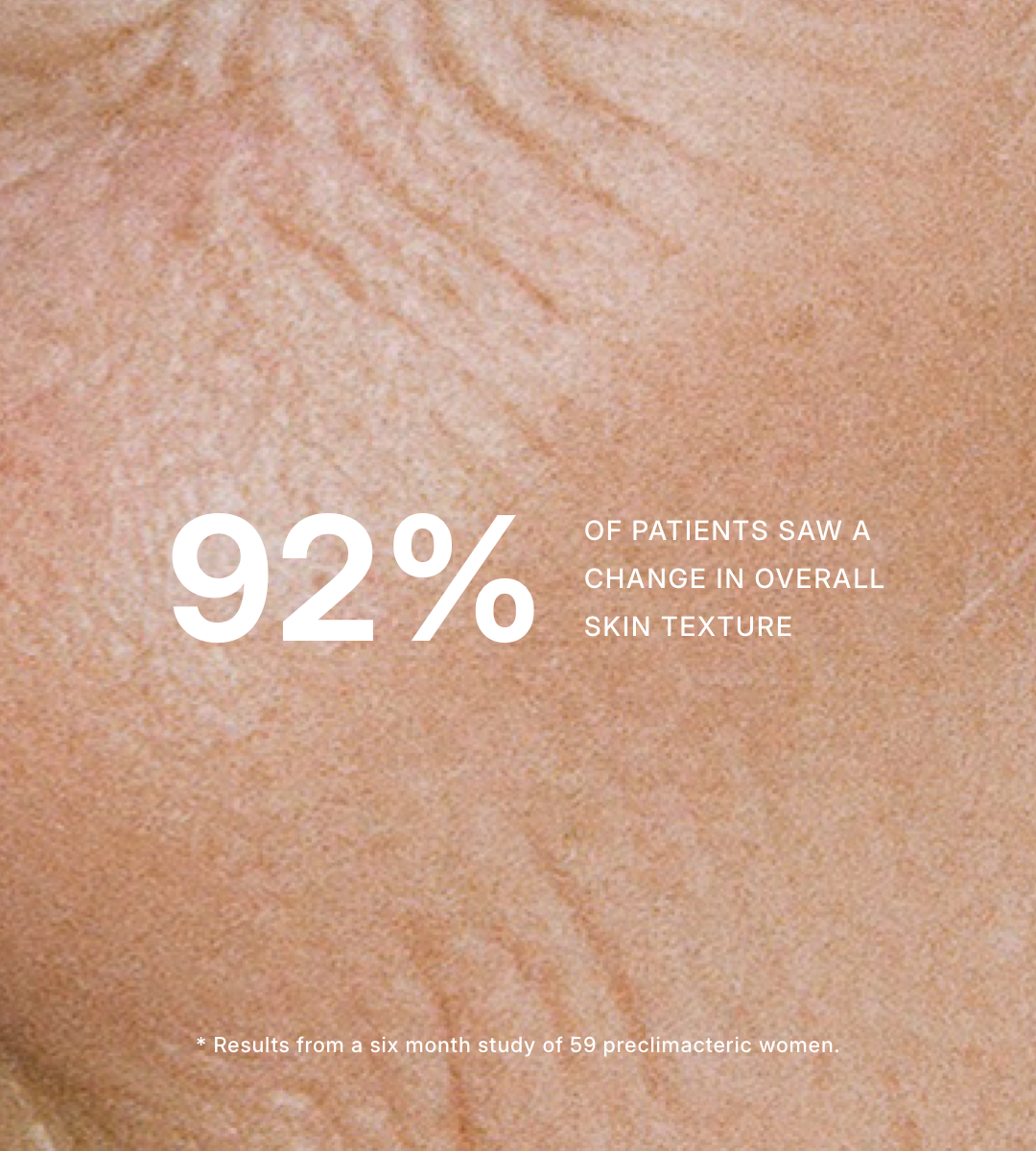
Collagen is the scaffold of the dermis, and in the estriol studies it was measured in biopsies rather than estimated. In the six month facial study of 59 preclimacteric women biopsies of the treated skin showed that type III collagen labelling increased significantly and the number of collagen fibres rose after treatment (PMID 8876303).
The springy collagen comes back
Your skin relies on type I collagen for strength and type III for the springier, more resilient structure that declines first with age. The finding above matters because it was specifically type III collagen that increased with estriol (PMID 8876303).
The elastic fibres rebuild with changes in thickness
Elastin is what lets skin spring back instead of sagging, and it degrades as oestrogen falls. In a study of 14 postmenopausal women treated for three months, the elastic fibres in the skin thickened and reorganised in around half of the women (PMID 3477986). Improvement at the level of the elastic fibre itself is a measurable result, and it is not something a surface hydration product can do. Supporting the fibres to rebuild and then providing hydration is the key.
The studies measure the building blocks of skin thickness, and those improved: a greater number of collagen fibres and a stronger elastic fibre network after treatment (PMID 8876303; PMID 3477986). A denser collagen and elastin scaffold is what makes skin feel thicker and firmer under your fingertips.
Firmer, less wrinkled skin follows from the structure
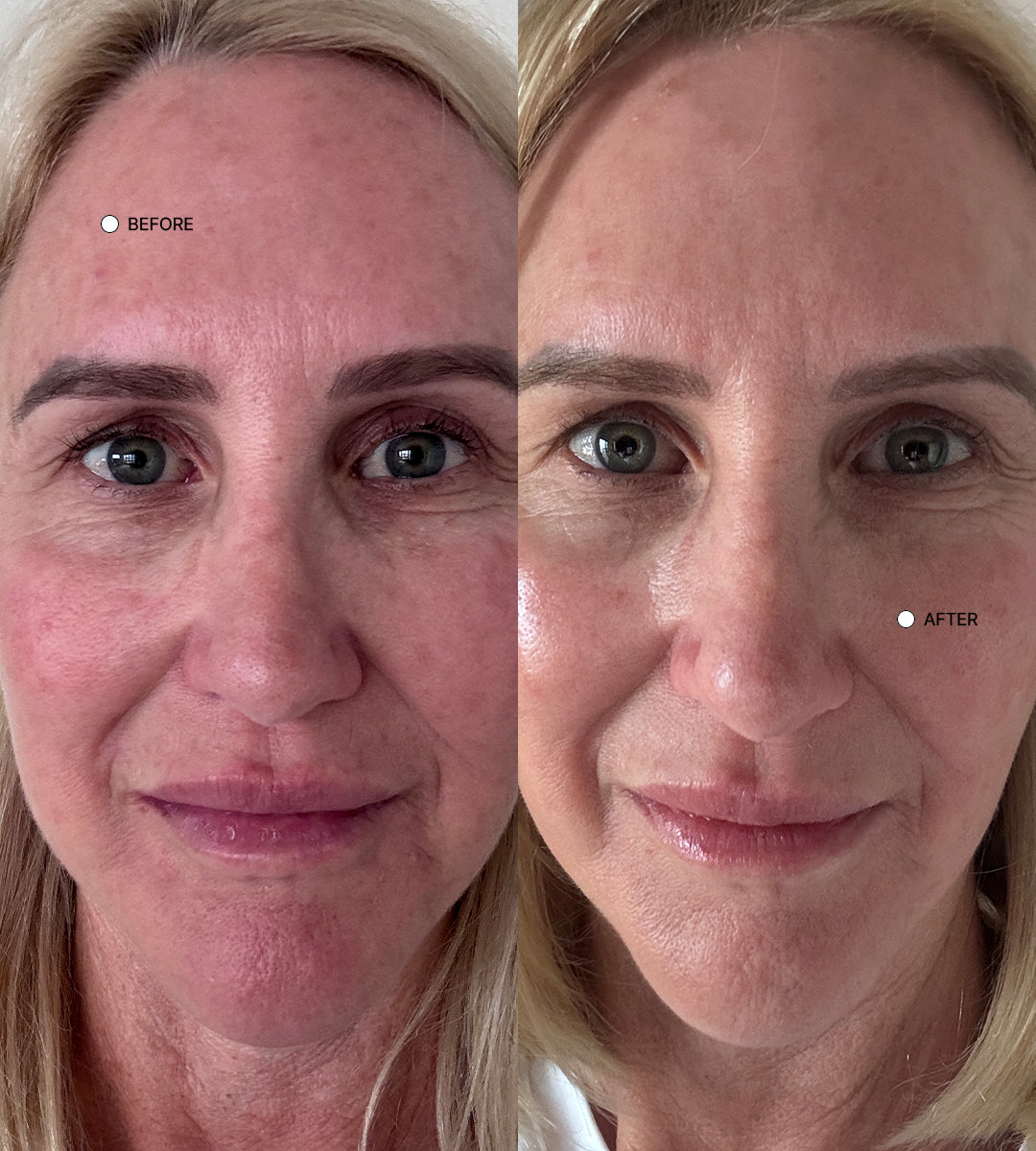
In the six month facial trial of 59 preclimacteric women, skin elasticity and firmness markedly improved and wrinkle depth and pore size decreased by 61 to 100%, with the estriol results slightly ahead of estradiol and no systemic hormonal side effects (PMID 8876303).
An earlier pilot in 18 perimenopausal women using topical hormone active on the face reported the same improvement in the signs of skin ageing (PMID 7877517).
The structural repair happens in your skin, not your body.
In 17 women aged 46 to 66, three months of daily facial oestrogen produced no significant change in serum follicle stimulating hormone, prolactin or estradiol, and no change on vaginal smears
PMID 8215610
What this adds up to
The structural case for EstroRepair is well documented for a skincare active. Across facial studies, in women from their forties into their sixties, measured with biopsy and microscopy rather than photographs, have been shown to increase collagen fibres and type III collagen, thicken and reorganise the elastic fibres, and reduce wrinkle depth and pore size, all without shifting hormone levels in the body.
- Schmidt JB, Binder M, Demschik G, Bieglmayer C, Reiner A. Treatment of skin aging with topical oestrogens. Int J Dermatol. 1996;35(9):669-674. (PMID 8876303)
- Punnonen R, Vaajalahti P, Teisala K. Local oestriol treatment improves the structure of elastic fibres in the skin of postmenopausal women. Ann Chir Gynaecol Suppl. 1987;202:39-41. (PMID 3477986)
- Schmidt JB, et al. Treatment of skin ageing symptoms in perimenopausal females with oestrogen compounds. A pilot study. Maturitas. 1994;20(1):25-30. (PMID 7877517)
- Kainz C, Gitsch G, Stani J, Breitenecker G, Binder M, Schmidt JB. When applied to facial skin, does oestrogen ointment have systemic effects? Arch Gynecol Obstet. 1993;253(2):71-74. (PMID 8215610)
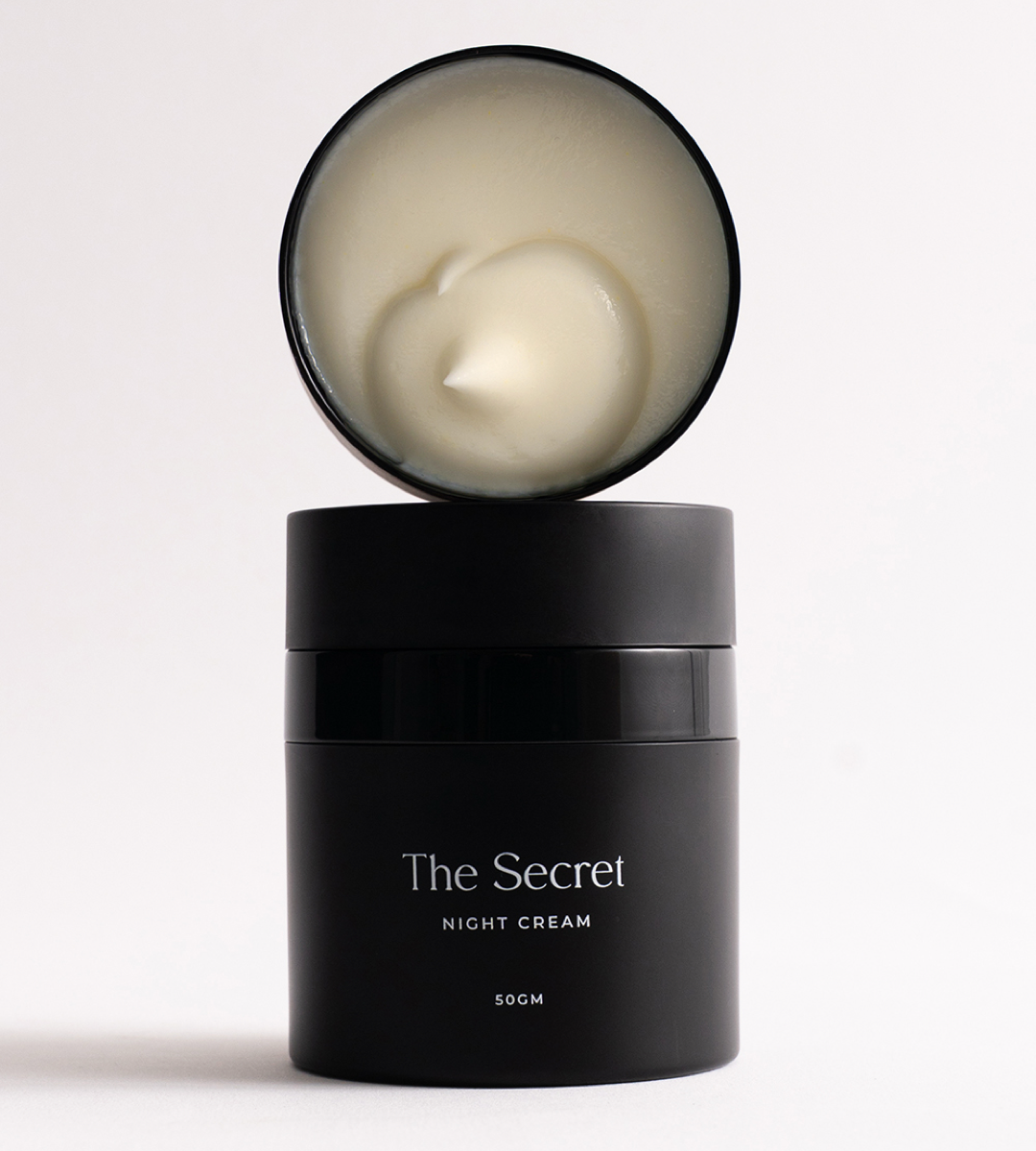

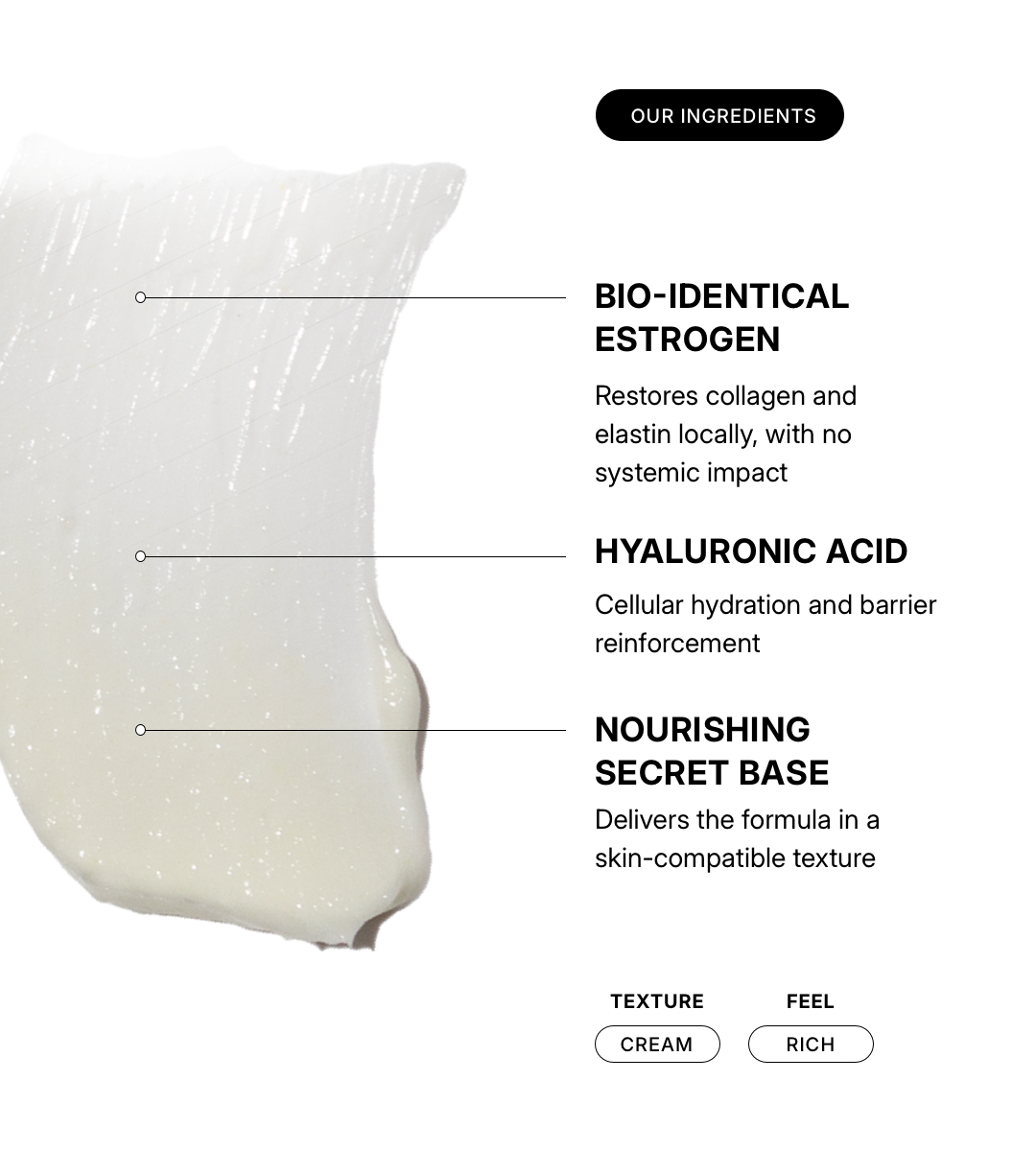
Years in the making, EstroRepair is the first formulation in Australia designed for women over 40 or women experiencing oestrogen-deficient skin.
Perimenopause and menopause effects the skin in different ways and is mostly overlooked.
This formulation is recommended for women over 40 who are beginning to notice signs of oestrogen-deficient skin, including thinning, dryness, loss of firmness and impaired barrier function.
Please note: This product requires a consult with our medical team to determine if it is suitable for your individual concerns.
Start Your Journey
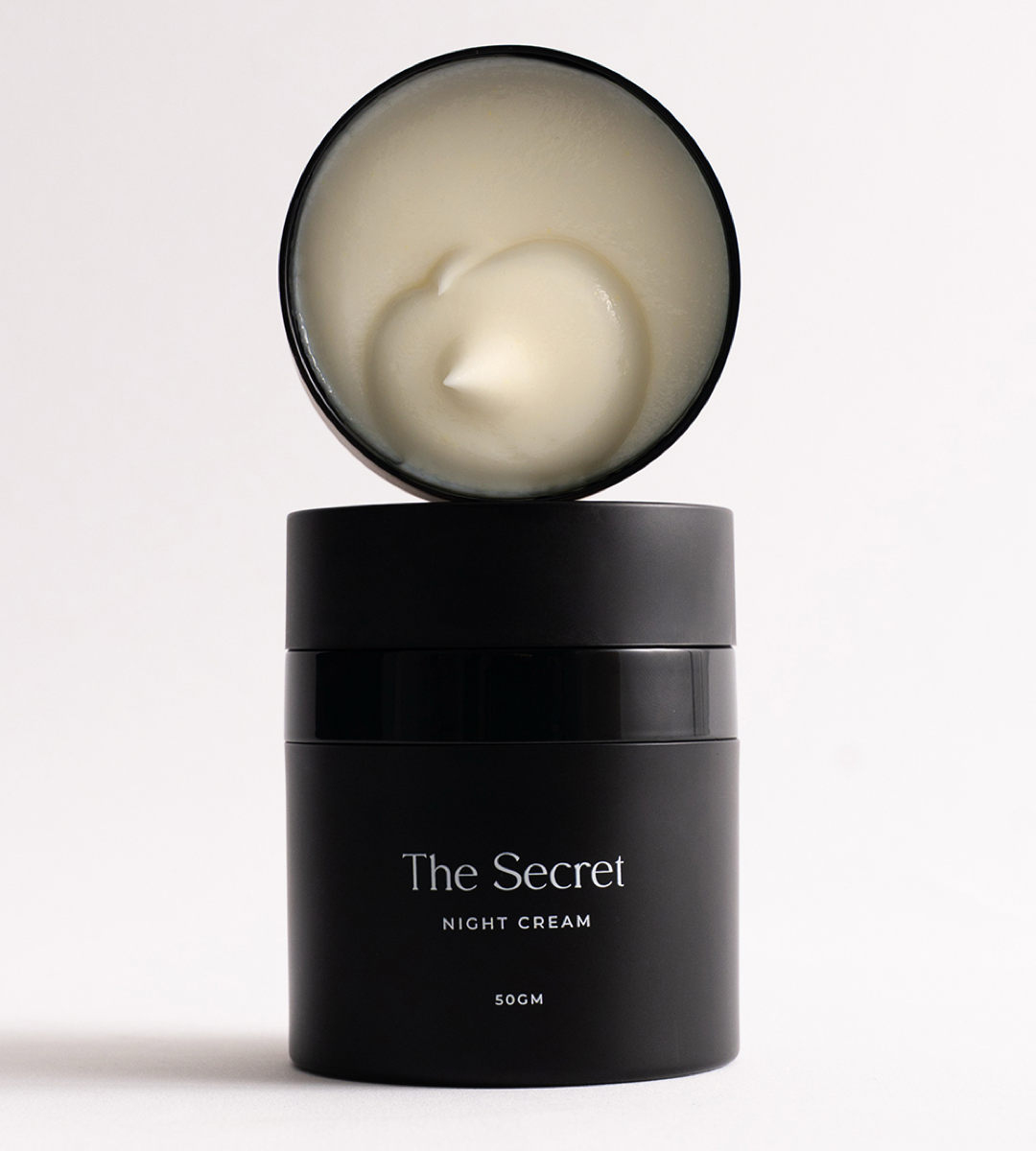
Doctor-Prescribed
Night CreamFormulated using a combination of prescription-strength and active ingredients to treat challenging skin conditions including acne, pigmentation, ageing and general skin health.
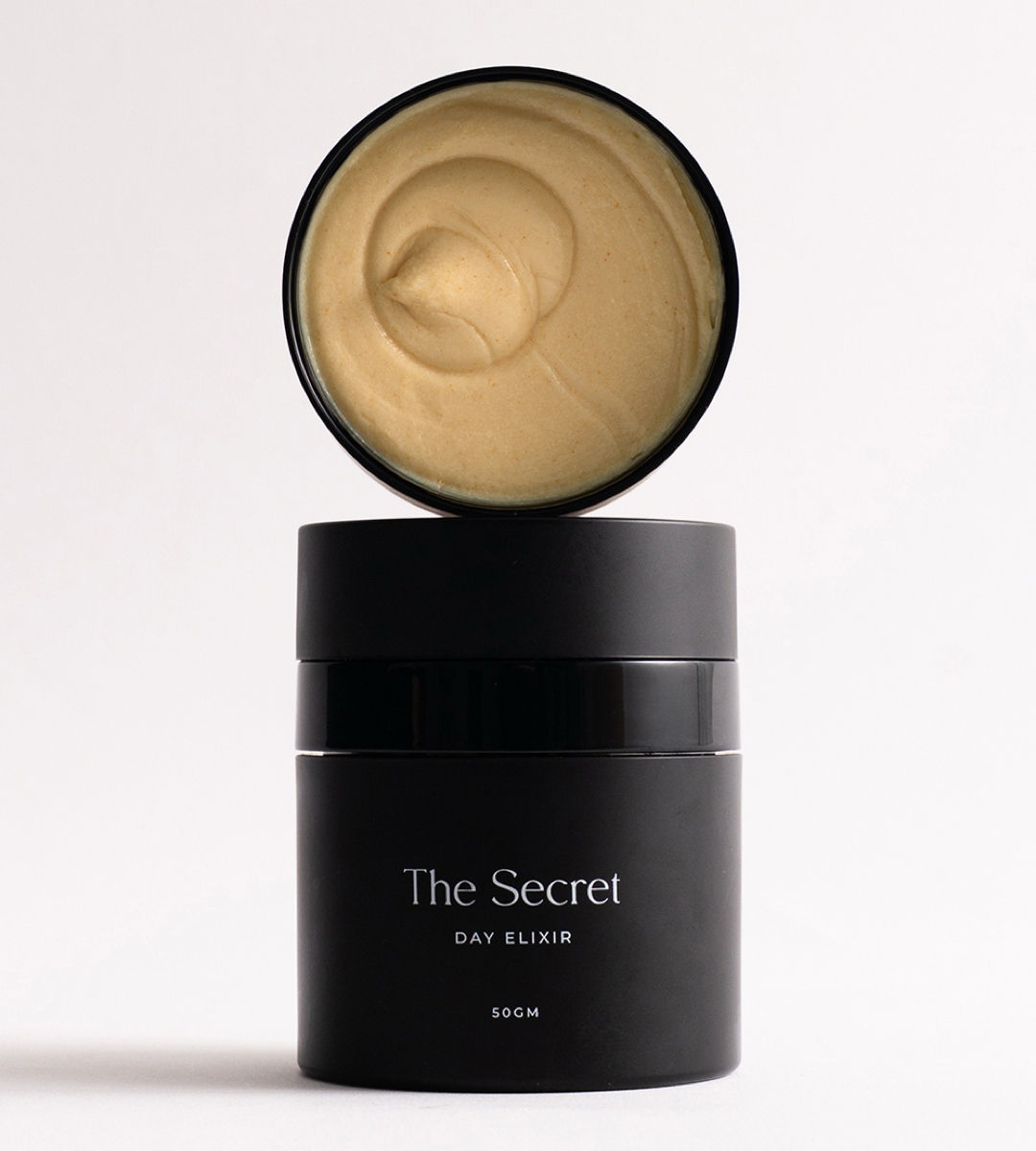
Doctor-Prescribed
Day CreamFormulated to enhance the outcomes of your active Night Cream, enhance results and add further glow to your complexion.
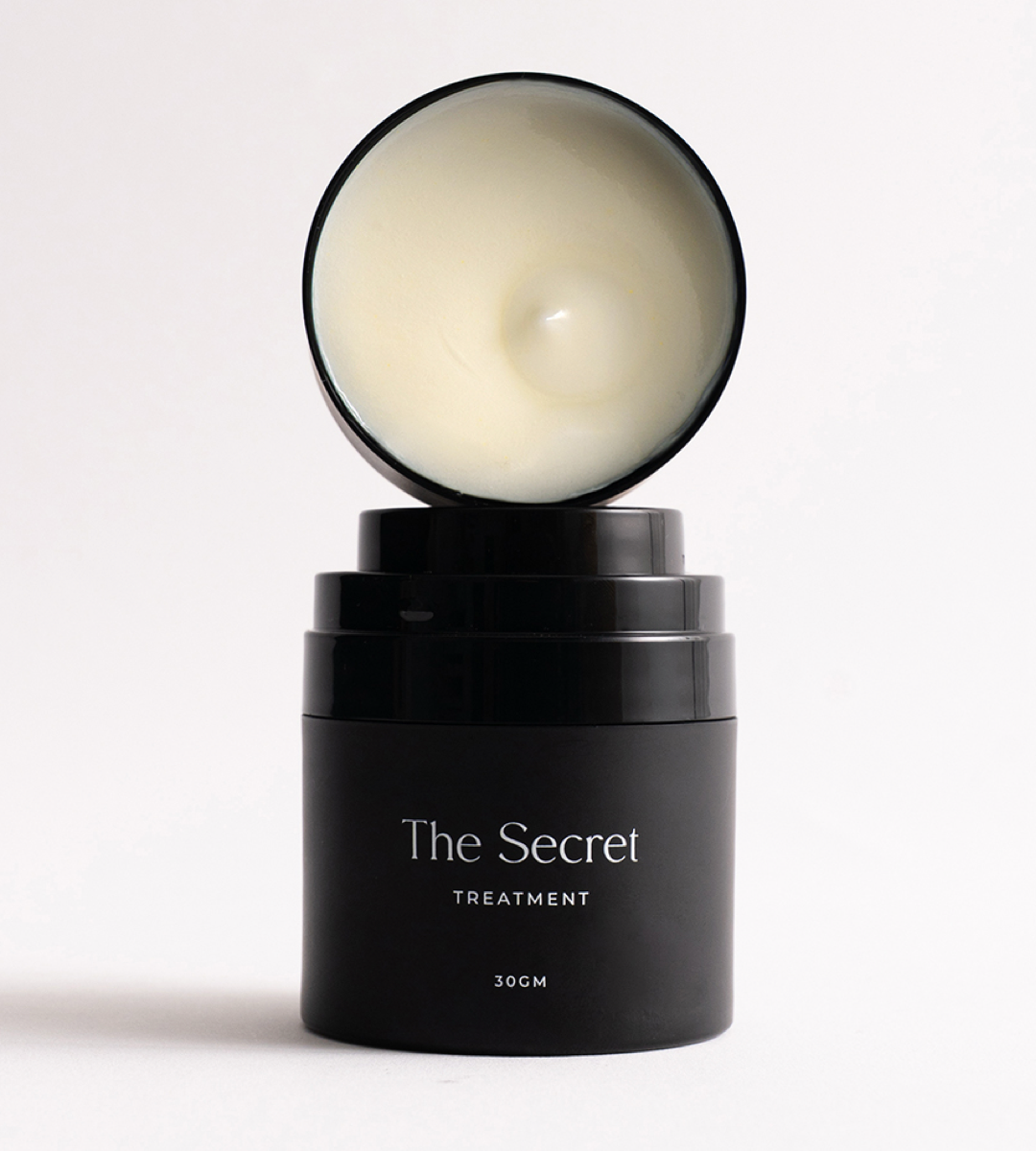
Doctor-Prescribed
Spot TreatmentOur spot treatments are designed to target specific areas of concern, such as acne, dermatitis, rosacea and inflammation.
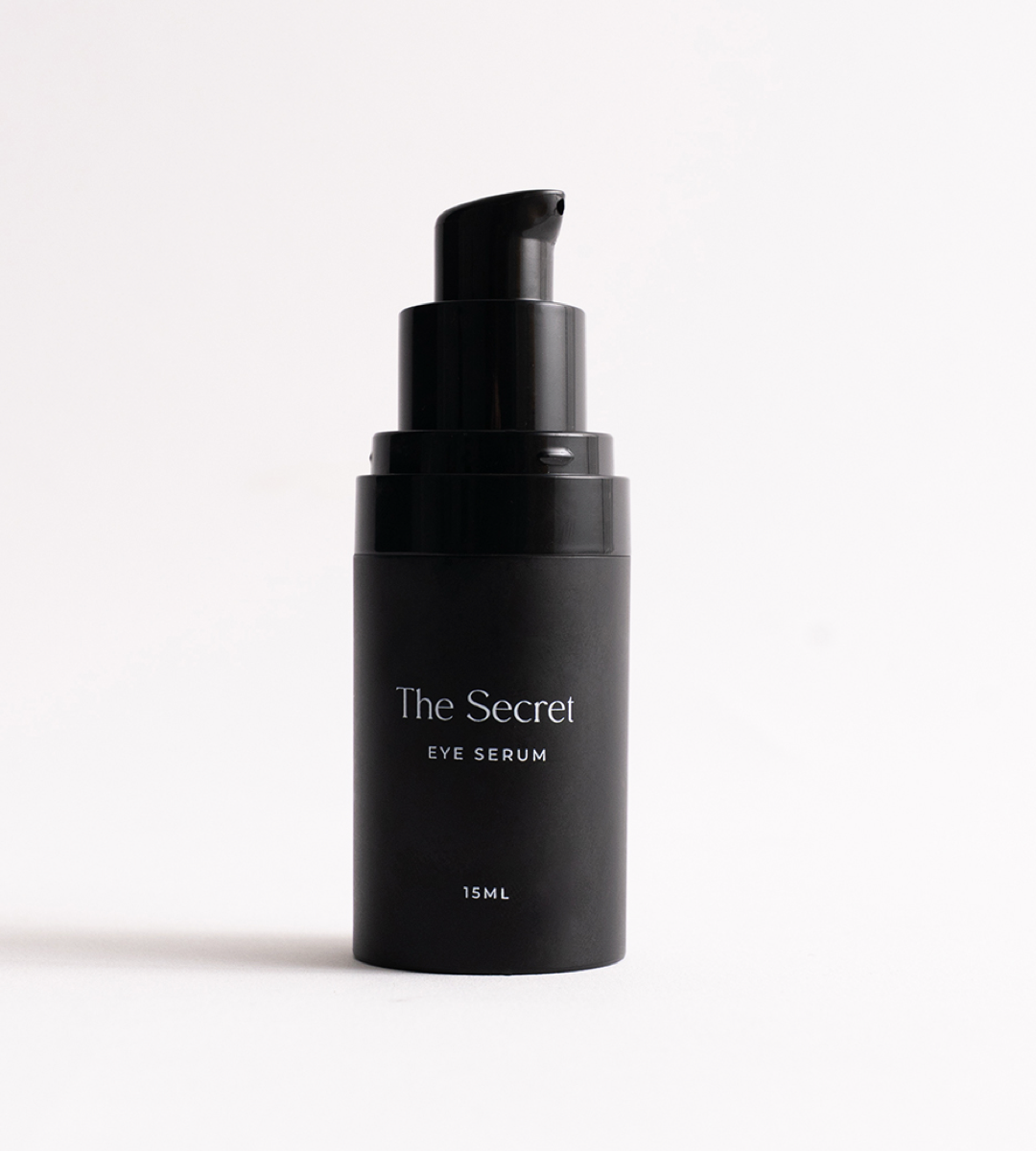
Doctor-Prescribed
Eye TreatmentBrighten and hydrate during the day, rewind the clock as you sleep.