

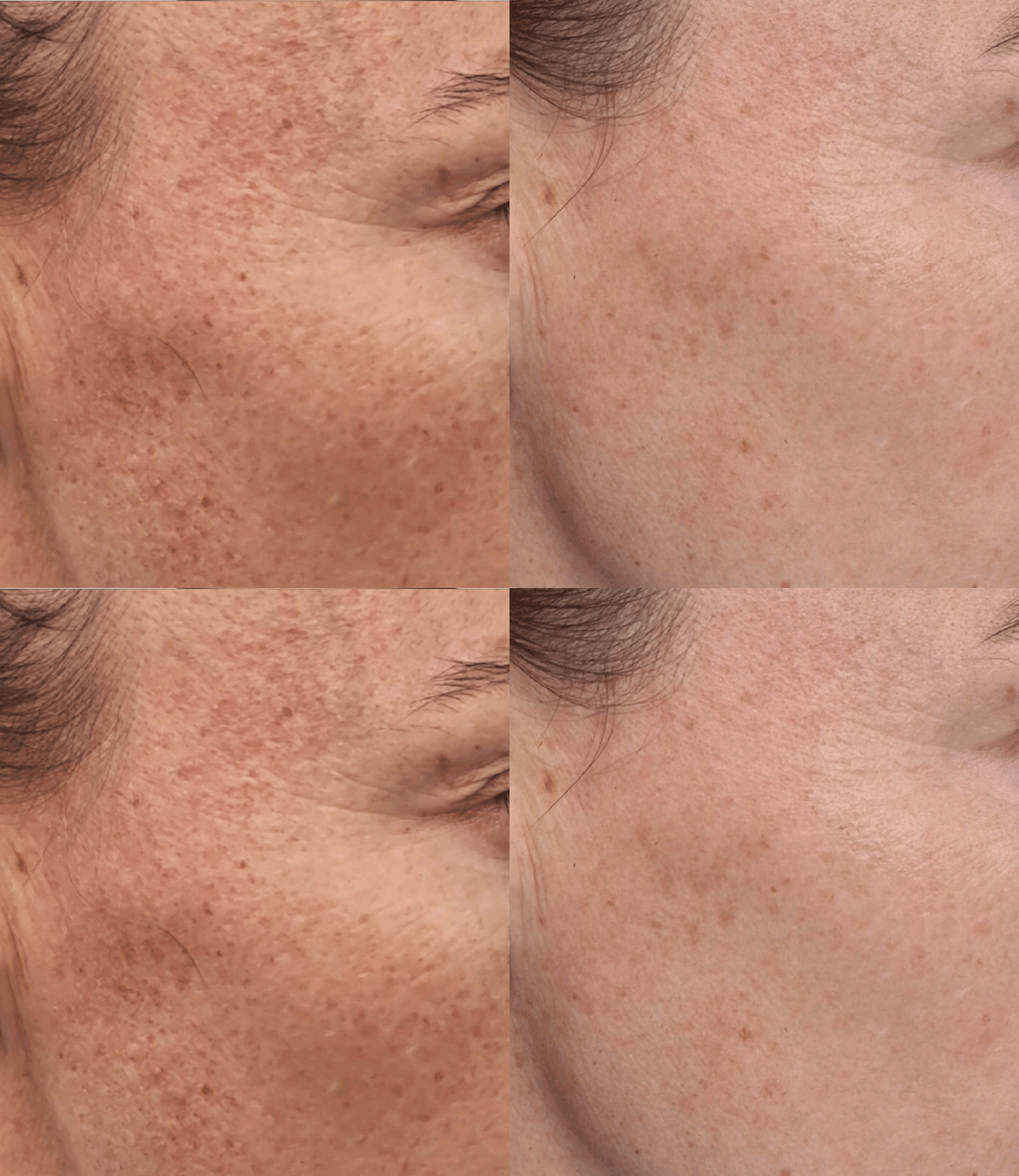
How to actually fade pigmentation, and why most products stall
You bought the vitamin C serum then the brightening essence. You have been diligent for months, and the dark patch on your cheek has barely moved. This is the most common pigmentation story we hear and the problem is rarely your discipline. It is the products.
Pigmentation is one of the harder skin concerns to shift, because fading what you can already see is only half the job. The other half is switching off the process making more of it. Most products you find on a Mecca shelf only attempt the first half, at strengths too low to finish either.
What pigmentation actually is
Your skin colour comes from melanin, made by cells called melanocytes. The first step in producing melanin depends on an enzyme called tyrosinase. When something switches those melanocytes into overdrive, they push out excess melanin, and it settles in patches that read as darker than the skin around them.
Three things trigger that overproduction most often:
Sun.
UV is the single biggest driver. It creates new pigment and darkens what you already have, which is why a spot that was fading over winter roars back after one bright weekend.
Hormones.
Oestrogen and progesterone can switch melanocytes on, which is why melasma so often appears in pregnancy or with hormonal changes. This is the stubborn, deeper kind that sits in larger patches across the cheeks, forehead and upper lip.
Inflammation.
Any injury to the skin, and acne is the usual culprit, can leave a brown mark behind once it heals. This is post-inflammatory pigmentation, the shadow a breakout leaves for months after the spot itself has gone.
Knowing which type you have matters, because the actives that clear a post-acne mark are not the same combination that holds melasma in check.
Why your serum has plateaued
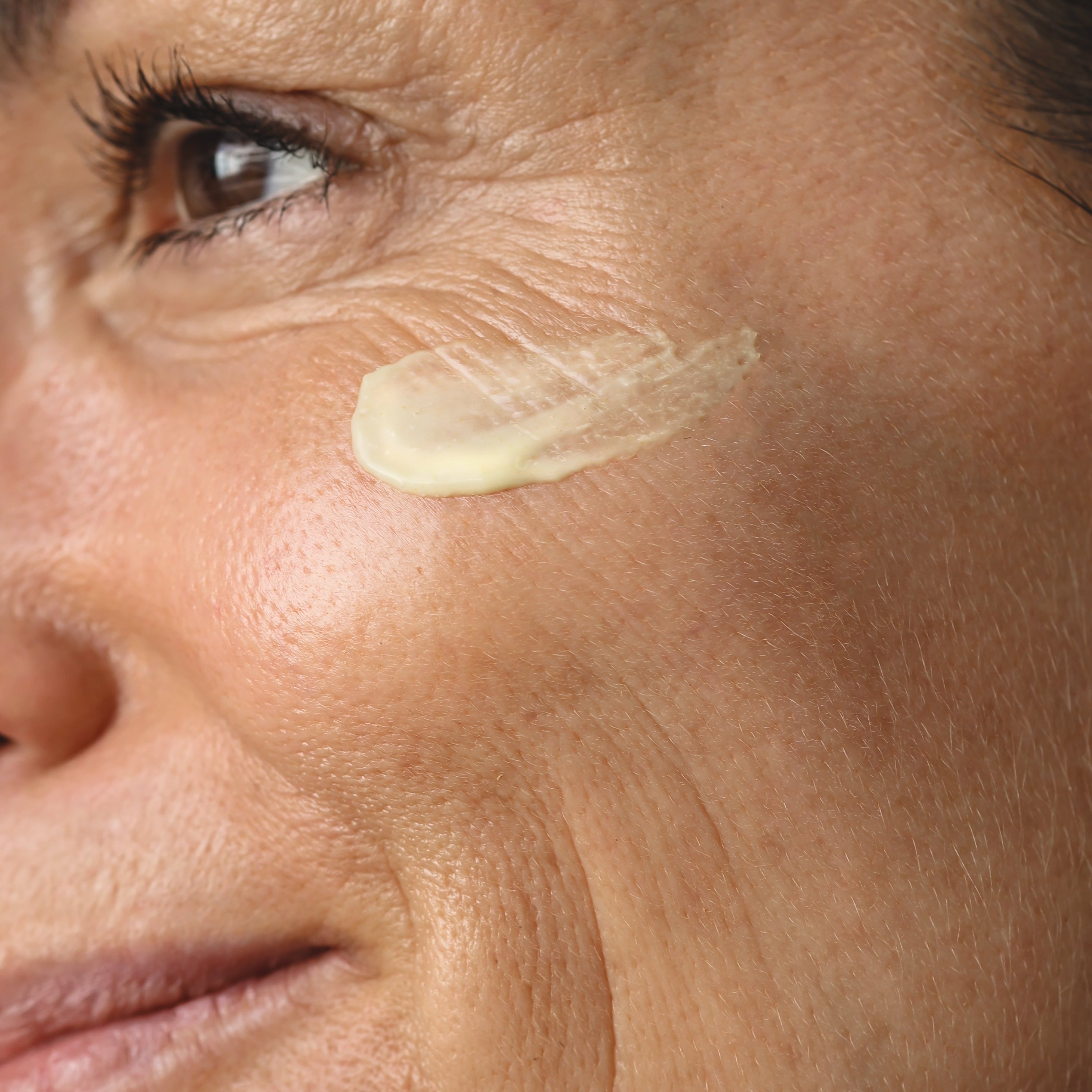
Cosmetic brighteners you buy without a consultation work. They just work slowly, and they tend to work alone. A single active at a low, shelf-stable concentration can lift surface dullness and nudge mild marks. It struggles against melasma or years of sun damage, because it is fighting one part of a multi-step process with one tool.
Pigment that has settled into the deeper layers of skin needs two things at once: something clearing the discoloured cells already there, and something switching off the melanocytes making more. That is a job for prescription-strength actives, combined and dosed for your skin, with a doctor watching how it responds.
The ingredients that move pigment,
and what each one does
At The Secret Skincare our doctors formulate with a specific roster, matched to your pigmentation type after a consultation. Here is what each one is doing.
Tretinoin is a prescription-strength vitamin A, and it is the engine. It speeds up how fast your skin cells turn over, so discoloured cells are pushed to the surface and cleared far quicker than they would be on their own. It also brings deeper pigment up where the other actives can break it down, and it stimulates collagen while it works. Two things to know: it makes skin more sensitive to sun, so daily SPF is non-negotiable while you use it, and it cannot be used in pregnancy.
Hydroquinone is the melanocyte's off switch. It works directly on tyrosinase, the enzyme behind that first step of melanin production, and reduces the activity of the pigment-making cells themselves. Paired with tretinoin, it is the most effective topical combination in dermatology for lightening. It also demands medical oversight, which we will come back to.

Kojic acid is a second tyrosinase inhibitor, so it doubles down on switching off new pigment while adding antioxidant protection against fresh sun damage.
Vitamin C, which we use as ascorbyl palmitate and ascorbic acid, brightens the complexion, breaks down pigment sitting near the surface, and drives collagen production so skin recovers firmer as it clears.
Niacinamide interrupts the hand-off of pigment to the surface of your skin and strengthens the barrier, so the stronger actives are better tolerated.
Tranexamic acid targets the melanin overproduction behind melasma and post-inflammatory marks. It is one of the most useful actives for the hormonal pigmentation that other ingredients barely touch.
Underneath all of it we build a nourishing base of hyaluronic acid and vitamin B, because a strong lipid barrier is what lets your skin handle prescription-strength actives without tipping into irritation.
A note if you are pregnant or breastfeeding
Melasma often arrives with pregnancy, at exactly the moment the two most powerful actives are off the table. Tretinoin and hydroquinone cannot be used while pregnant. Rather than tell you to wait it out, our doctors formulate a pregnancy-appropriate option, usually built around azelaic acid and vitamin C, paired with strict daily SPF. It works more gradually, and it keeps you moving forward safely instead of watching the patches deepen for nine months.
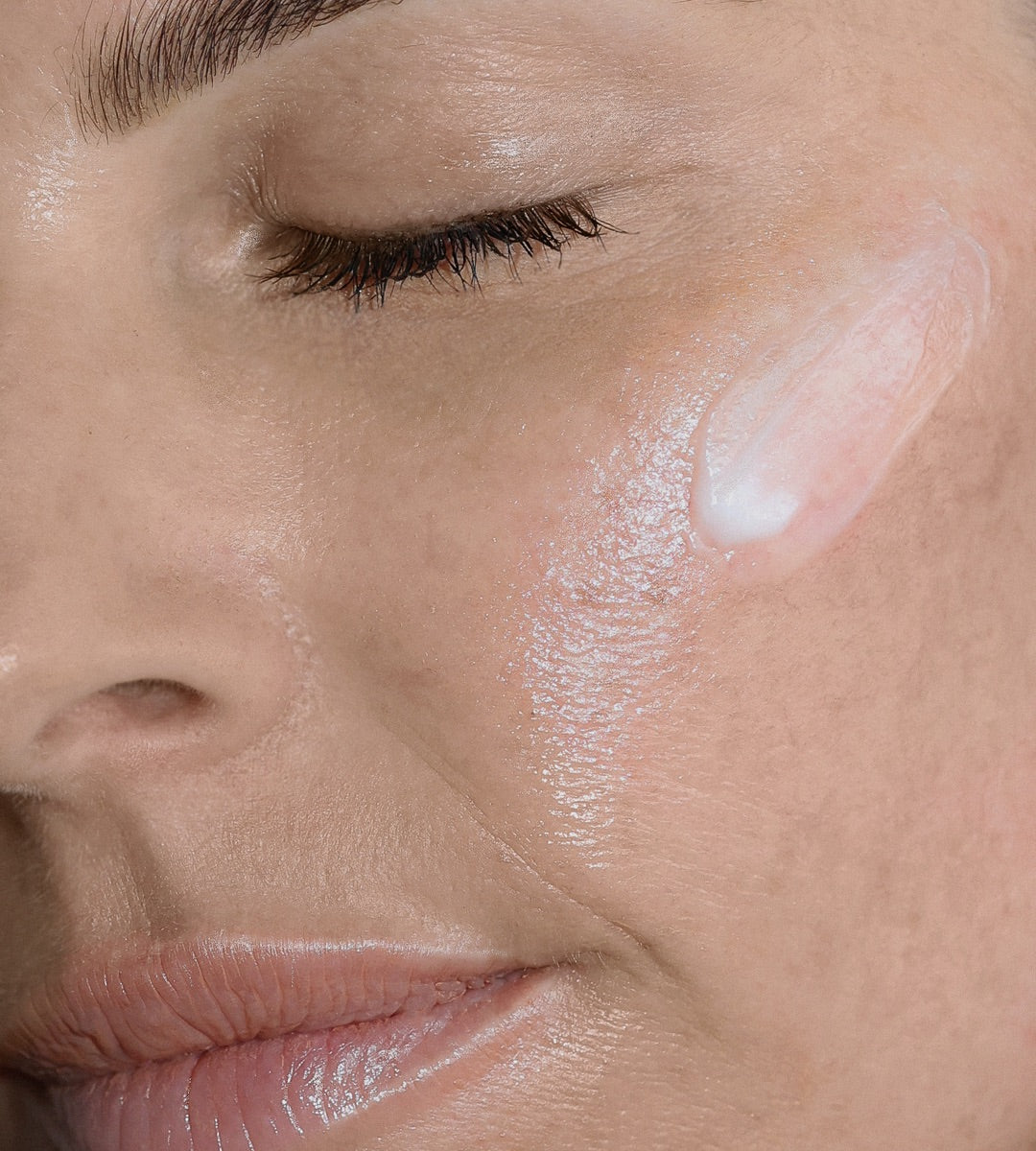
Why one compounded cream beats a shelf of serums
Instead of layering five separate products and hoping they cooperate, our doctors compound these actives into a formulation made to order for your skin, at strengths chosen for your pigmentation type, your history and your tolerance. One cream, matched to you, adjusted as your skin responds. Will full medical oversight and a second layer of pharmacy checks for intolerances and sensitivities. We create a full treatment plan to work with your current regime, or we will build you one from scratch for maximum results
The one thing that undoes all of it
Sun. Every active above is working to clear pigment and switch off melanin, and UV switches it straight back on. A broad-spectrum SPF 50+, worn every single day, is not an optional extra to this plan. Prescription actives can sometimes increase photosensitivity so we always recommend a SPF everyday.
Start Your Journey
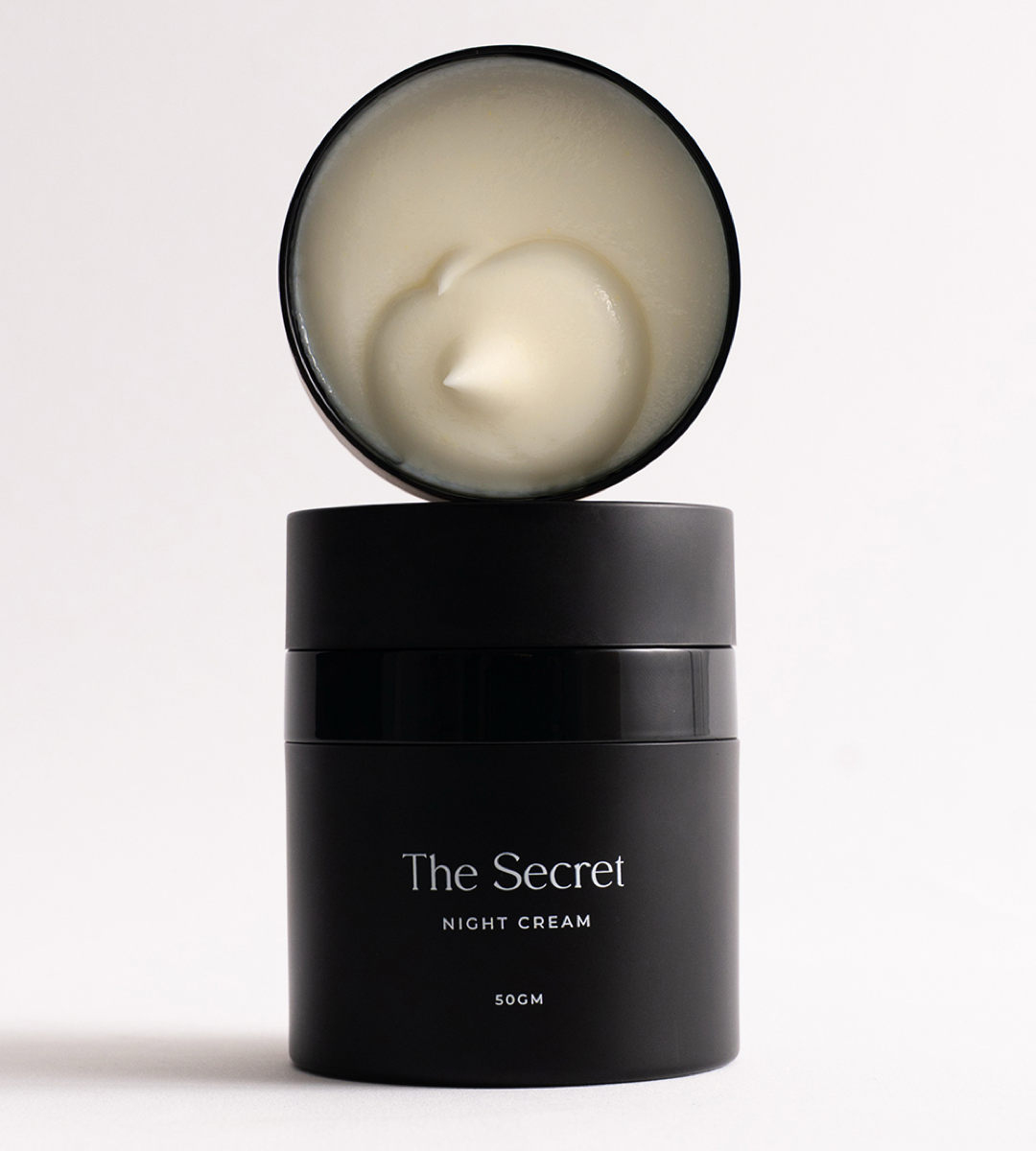
Doctor-Prescribed
Night CreamFormulated using a combination of prescription-strength and active ingredients to treat challenging skin conditions including acne, pigmentation, ageing and general skin health.
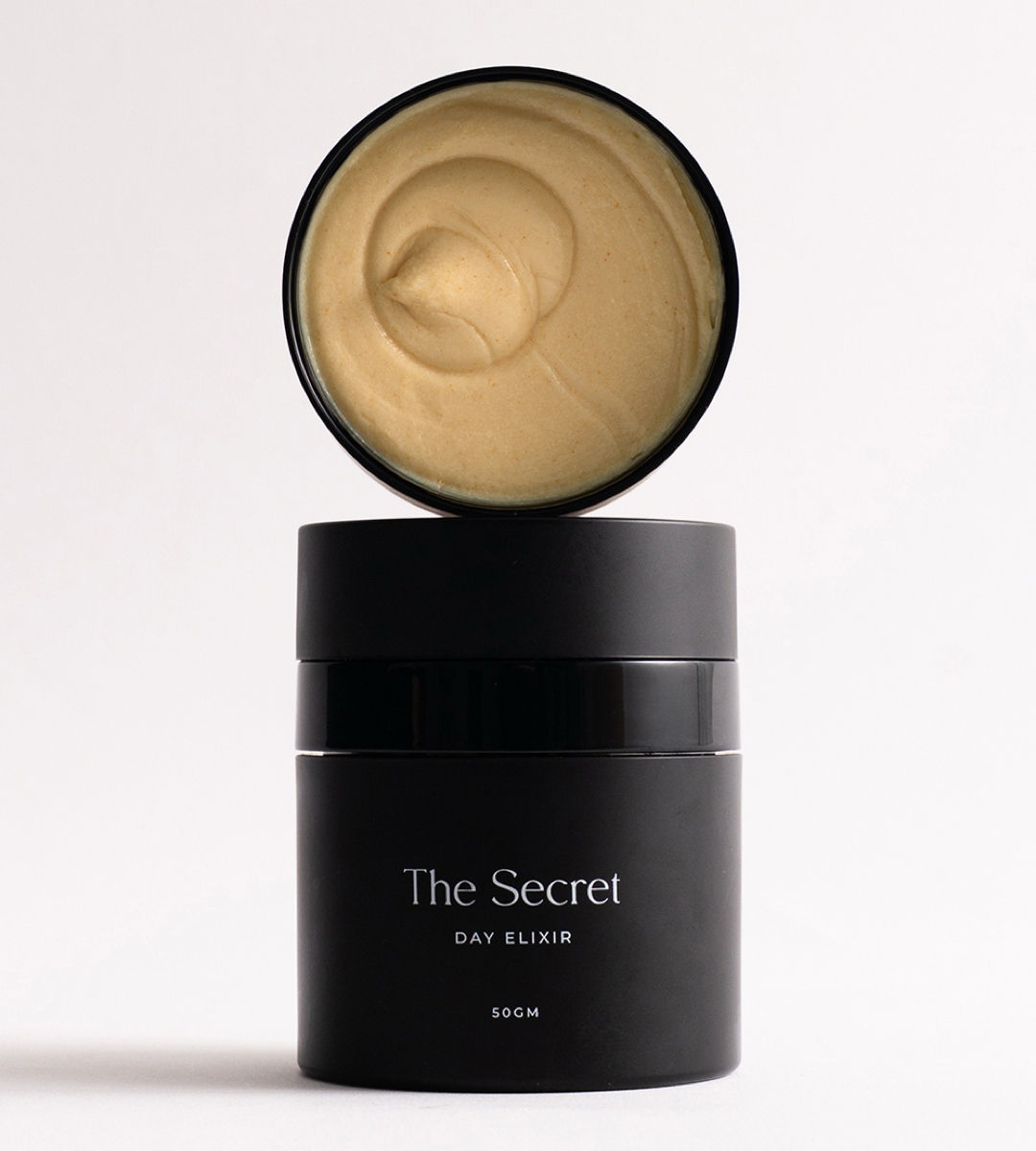
Doctor-Prescribed
Day CreamFormulated to enhance the outcomes of your active Night Cream, enhance results and add further glow to your complexion.
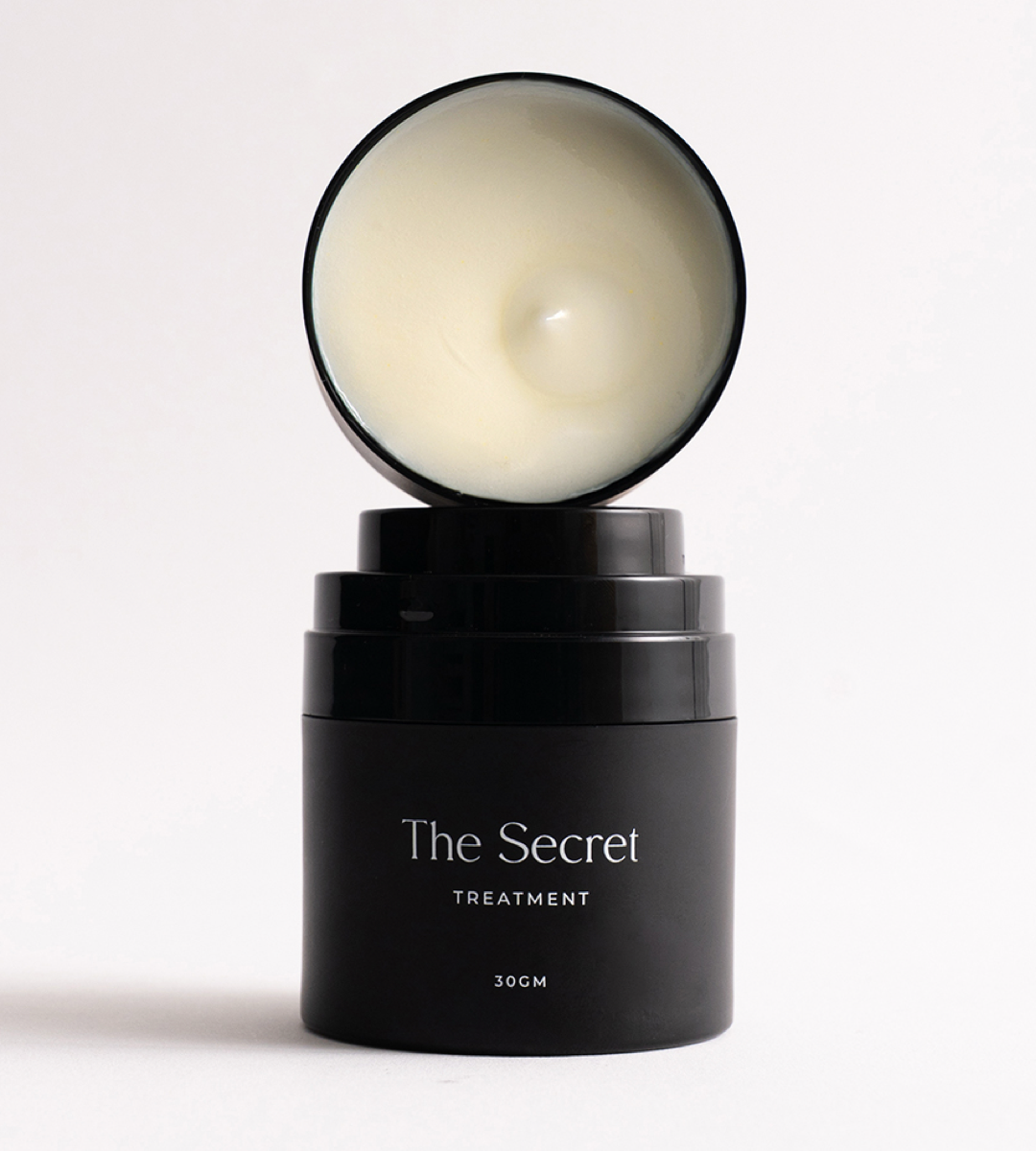
Doctor-Prescribed
Spot TreatmentOur spot treatments are designed to target specific areas of concern, such as acne, dermatitis, rosacea and inflammation.
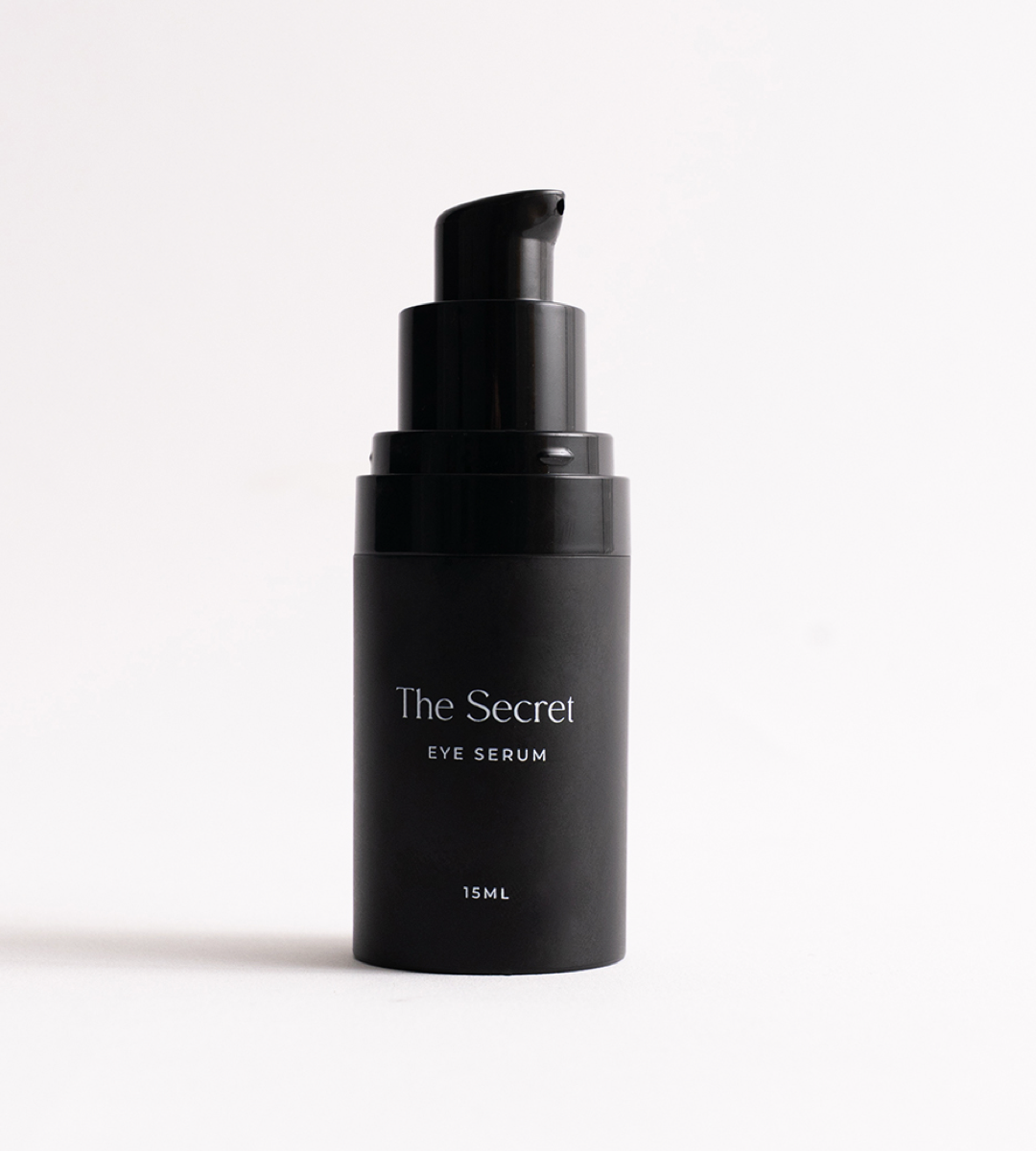
Doctor-Prescribed
Eye TreatmentBrighten and hydrate during the day, rewind the clock as you sleep.